Portugal : Azulejos Workshop
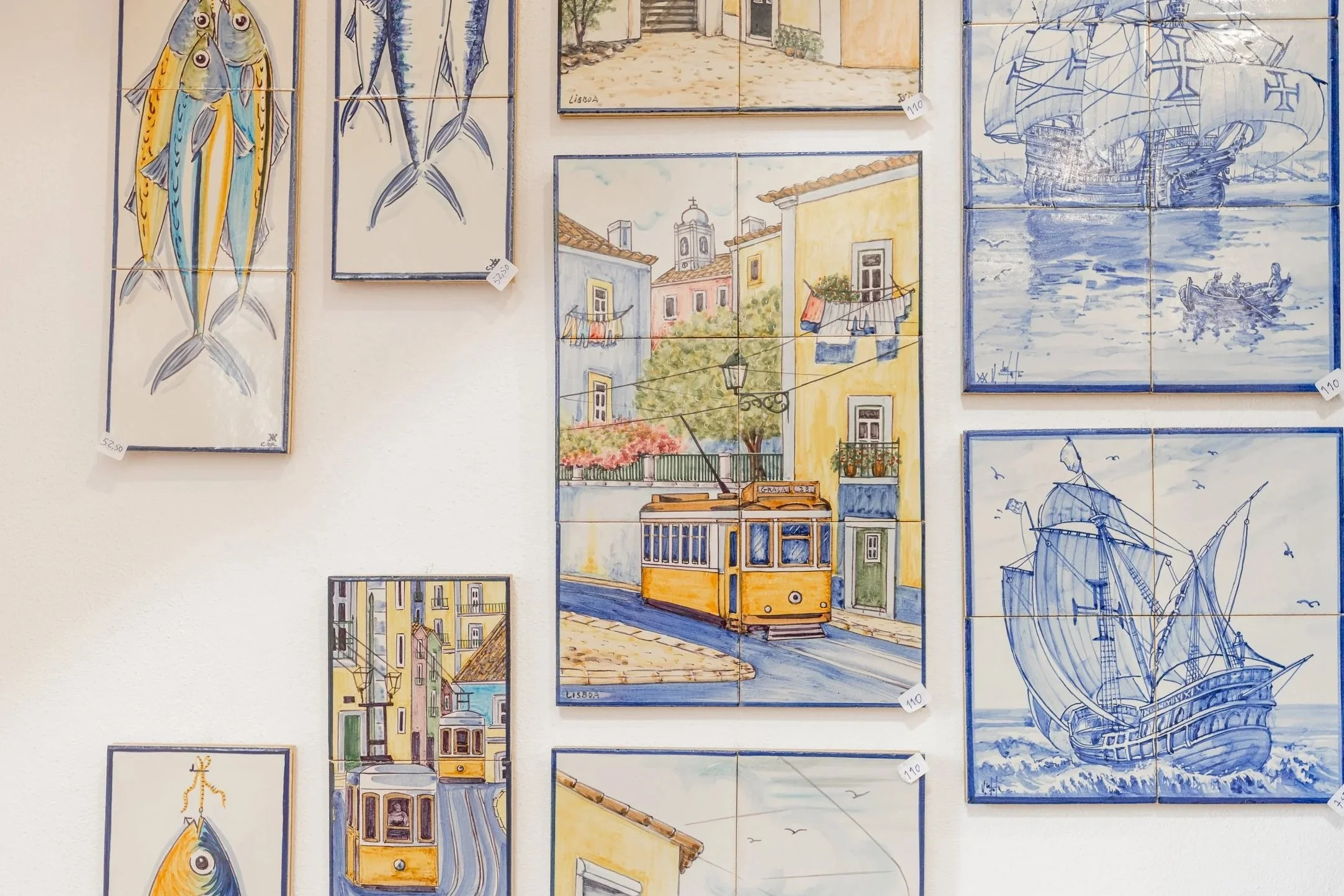
There’s a certain kind of beauty in traditions that refuse to be rushed and our visit to a traditional Portuguese azulejo factory was a perfect example of that. From the moment we stepped inside, it was clear that we were stepping into a living archive of Portuguese history.
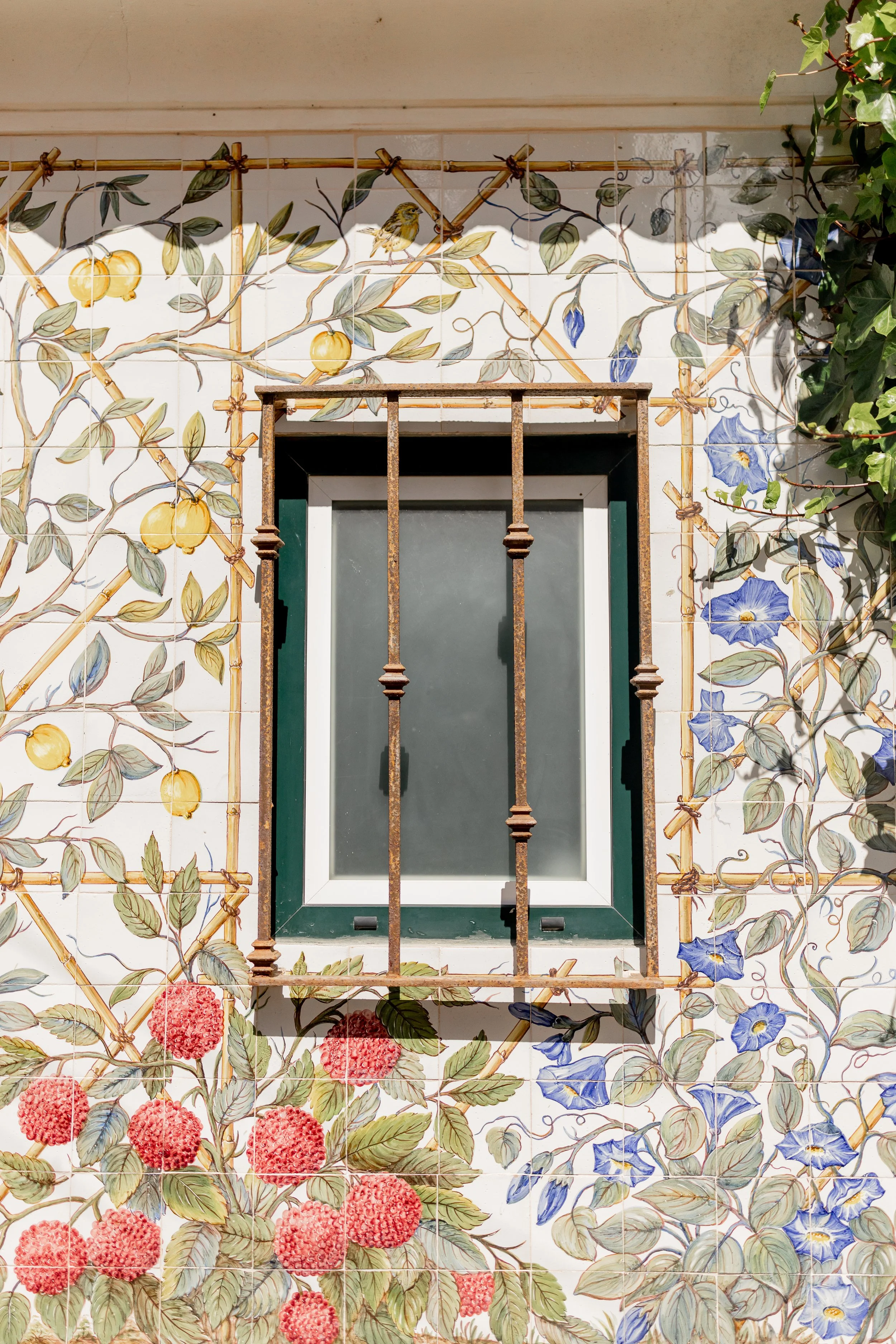
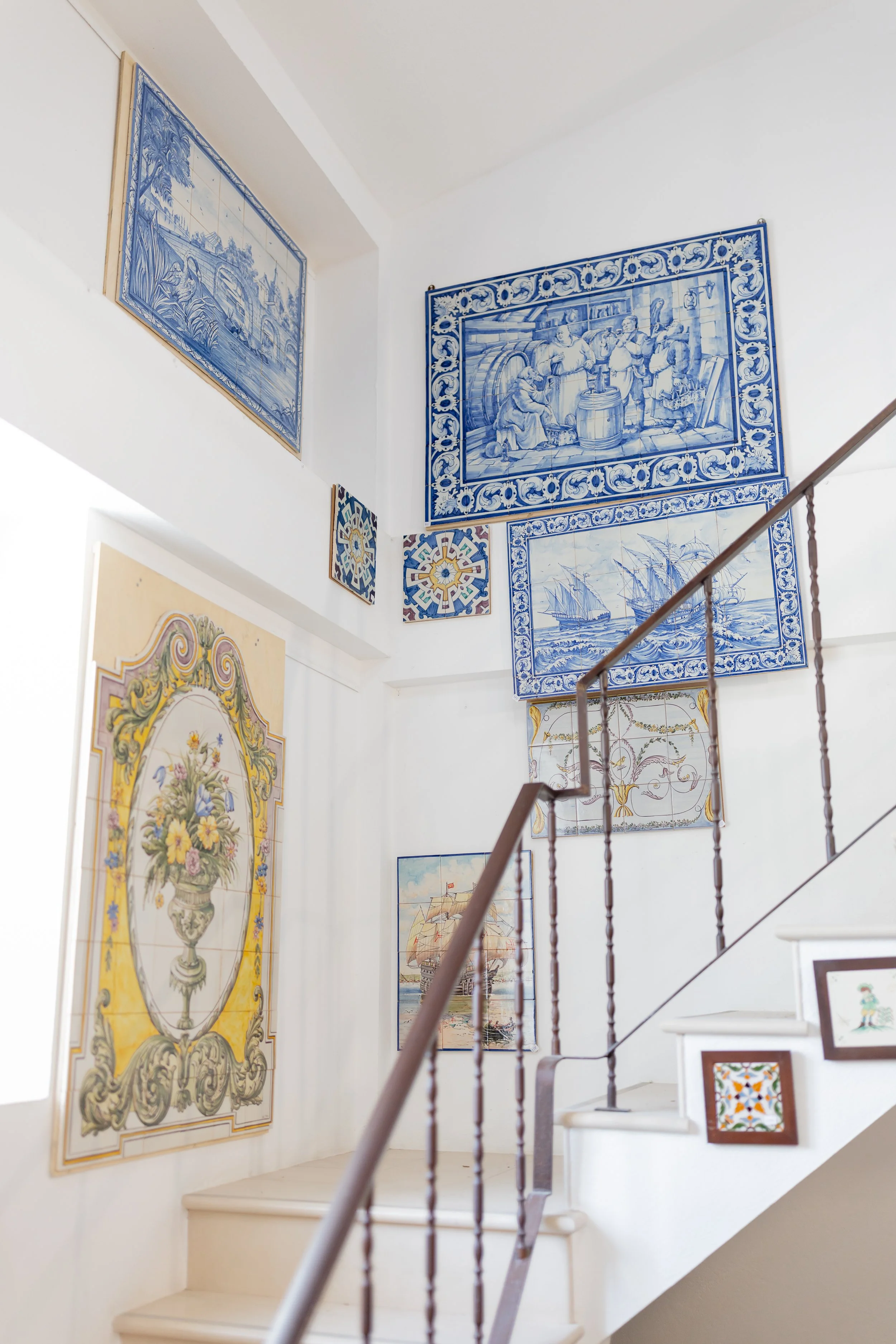
Azulejos—Portugal’s iconic hand-painted ceramic tiles—carry a legacy that stretches back more than 500 years. The word itself comes from the Arabic al-zulayj, meaning “small polished stone,” a nod to the Moorish influence that helped shape this art form. Over time, these tiles evolved into something distinctly Portuguese, blending inspirations from Moorish geometry, Italian Renaissance artistry, and even Chinese porcelain traditions.
Their story in Portugal began in the 15th century, when King Manuel I, inspired by the tilework he encountered in Spain, brought the craft home. By the 17th and 18th centuries, azulejos had become a defining feature of Portuguese culture—especially in the aftermath of the 1755 Lisbon earthquake, when they were widely used in rebuilding both for their durability and their beauty.
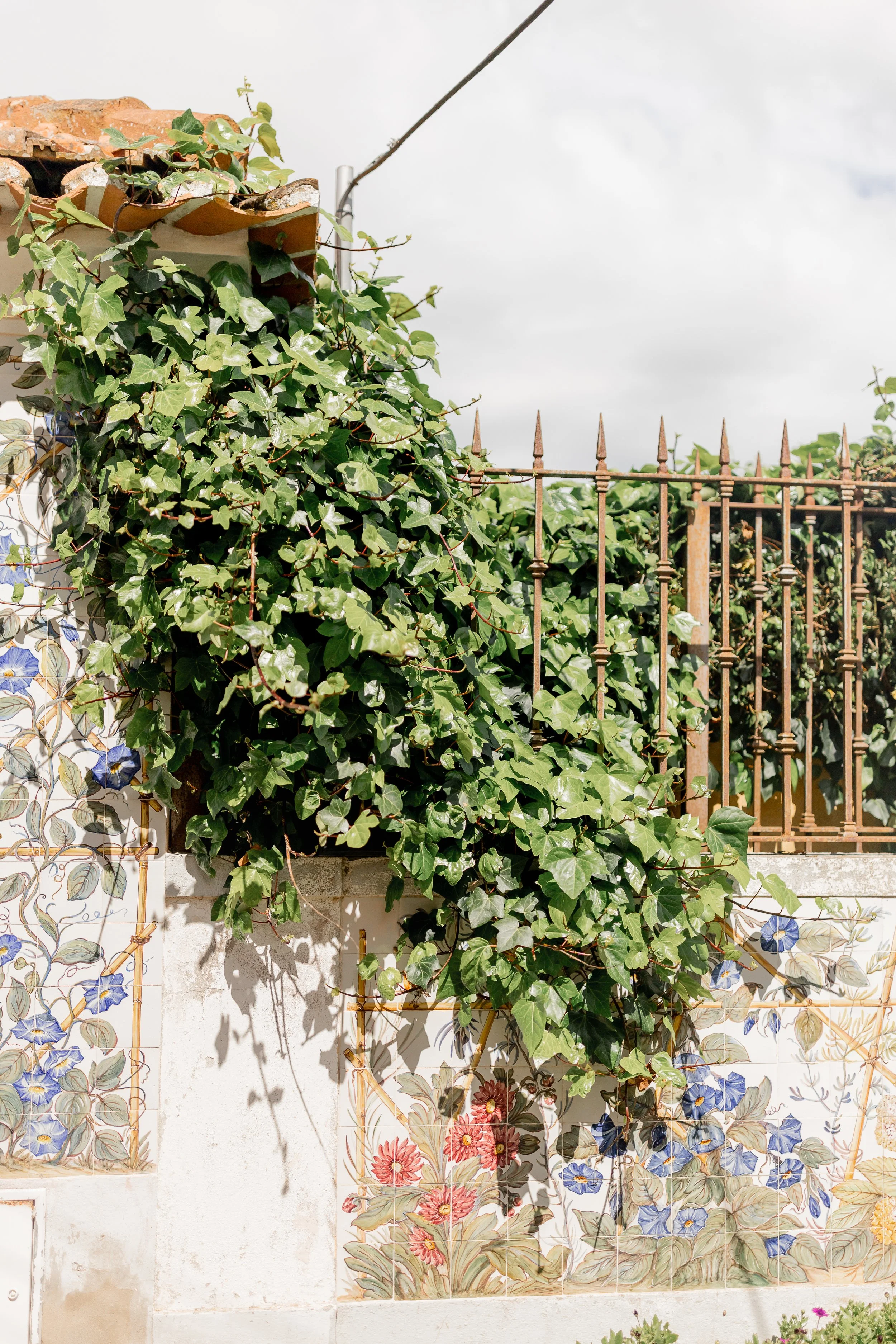
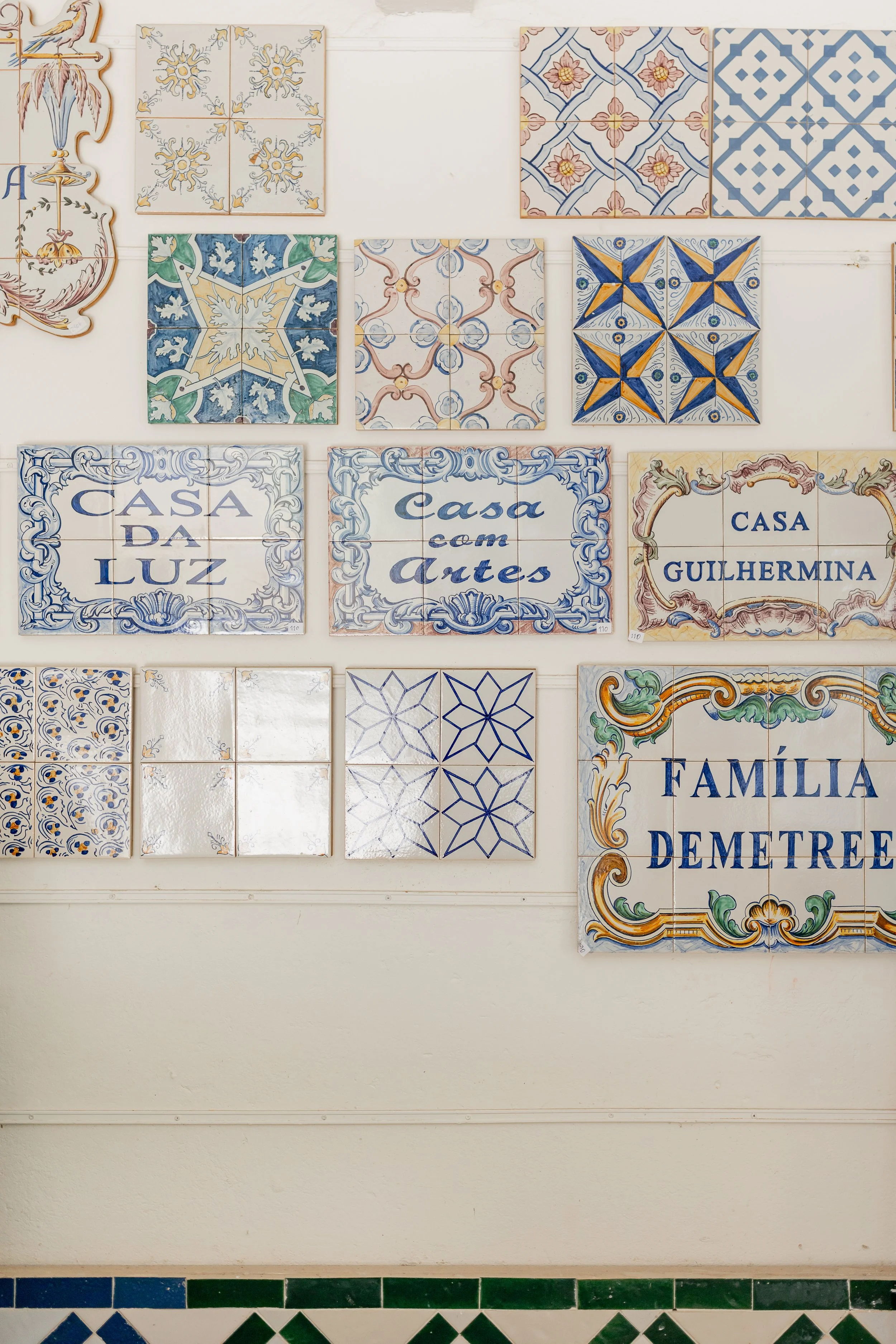
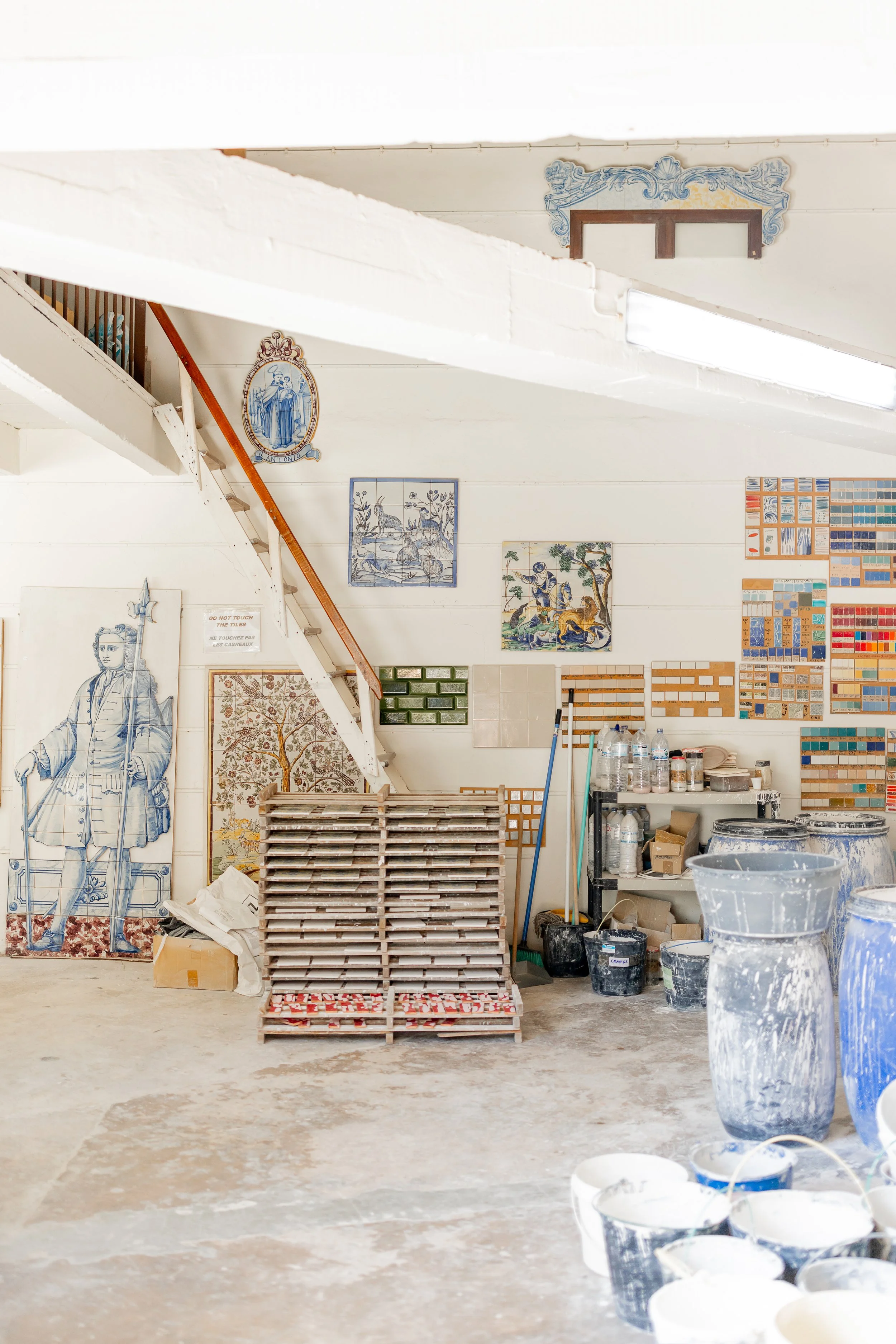
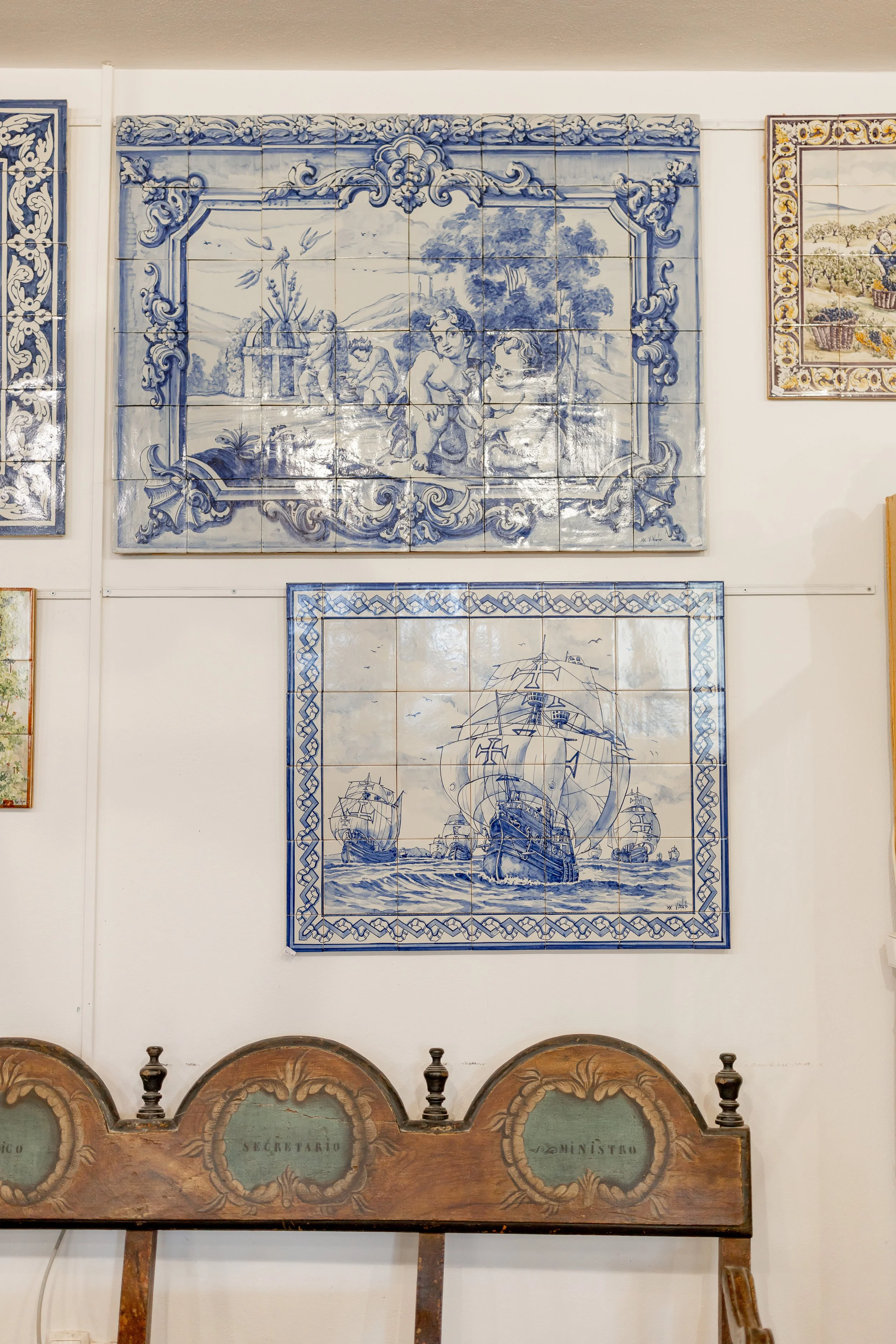
Today, they are everywhere—adorning churches, homes, train stations, and public squares. Some of the most breathtaking examples can be found in places like São Bento Train Station in Porto, where sweeping blue-and-white panels depict moments of Portuguese history, or in Lisbon’s National Tile Museum, where centuries of craftsmanship are preserved and celebrated. Even smaller spaces, like São Roque Church, hold intricate works that feel both intimate and grand.
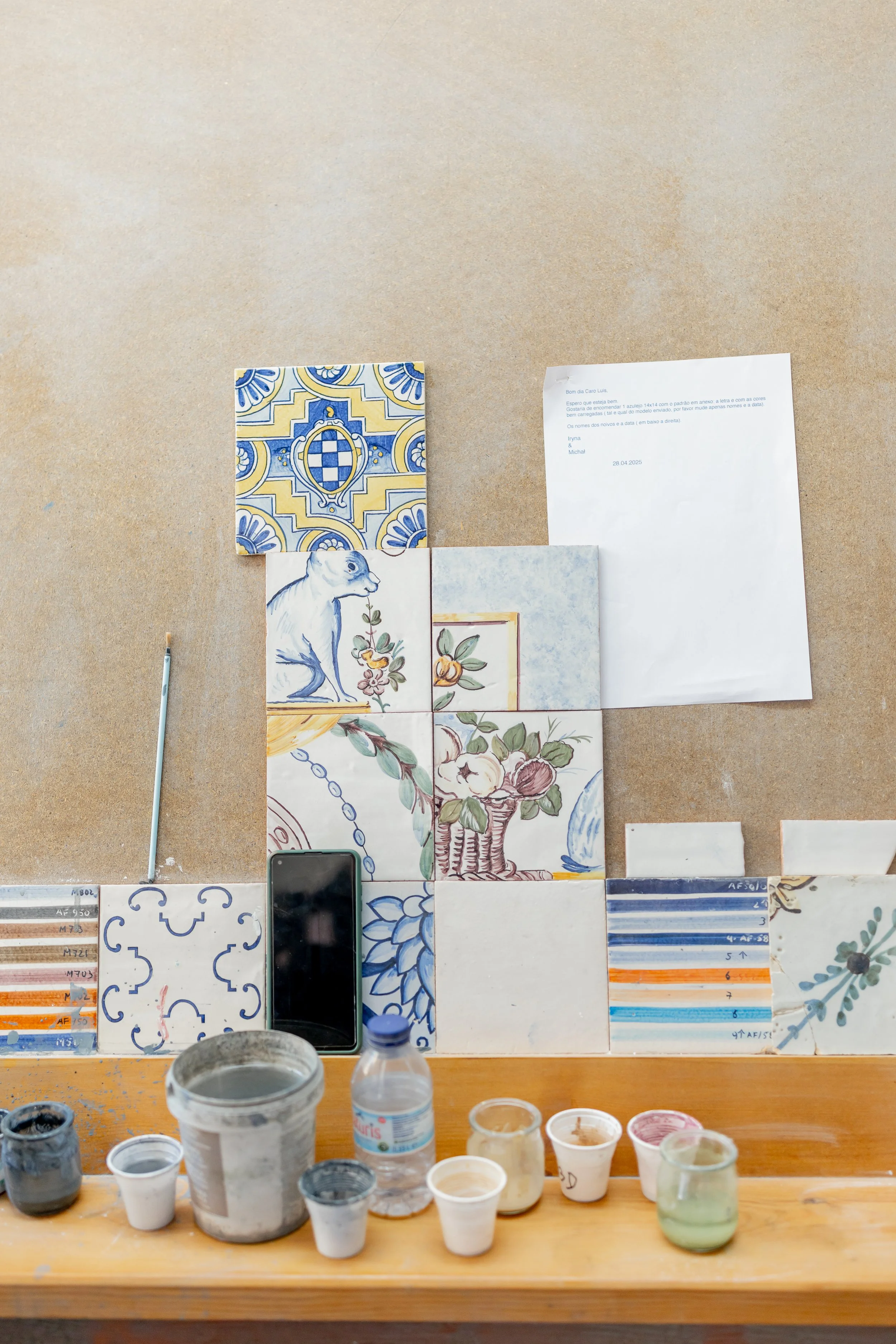
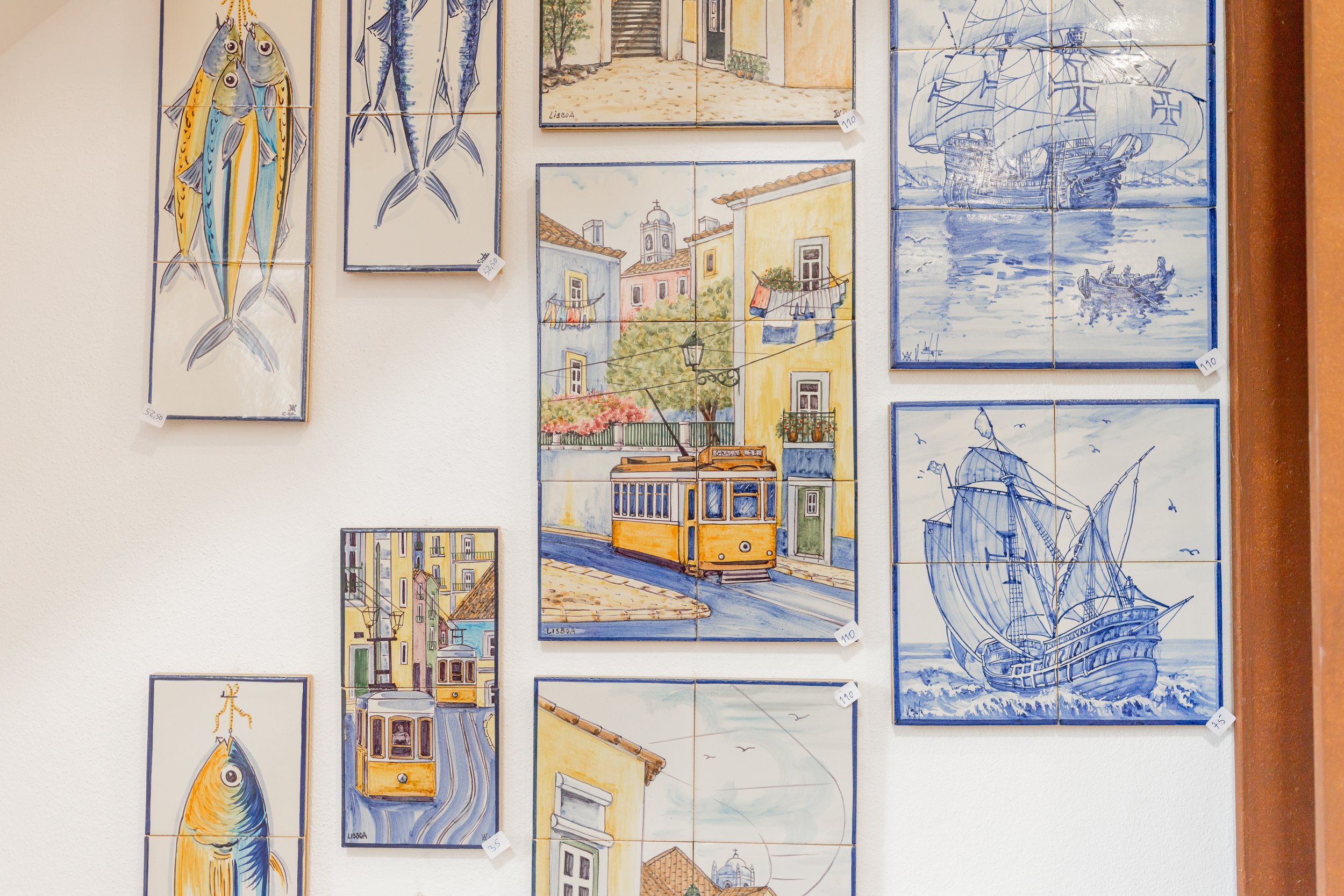
What makes azulejos so captivating is that they are more than decoration—they are storytellers. Through intricate patterns and detailed scenes, they capture history, religion, and everyday life, turning walls into narratives that unfold visually.
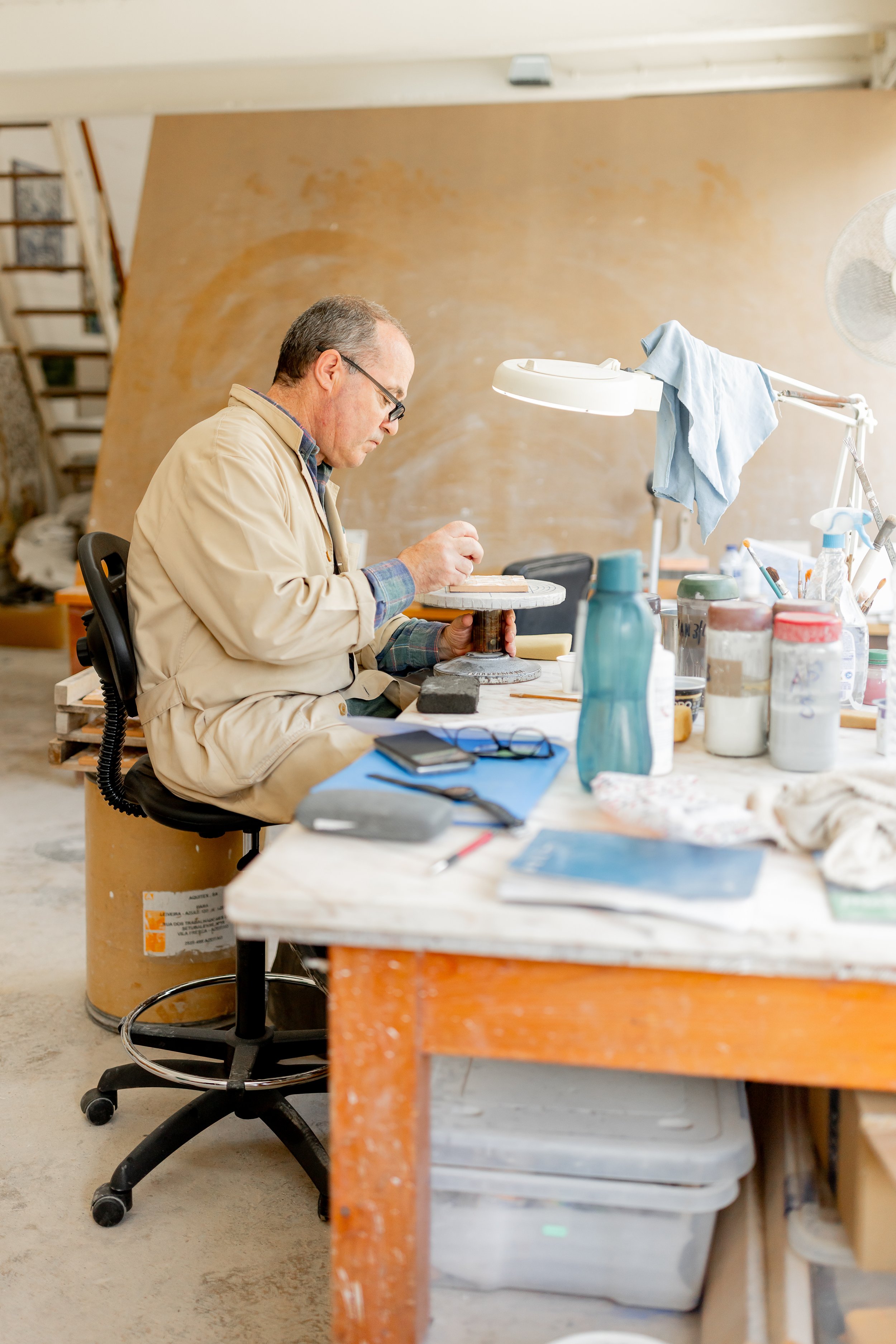
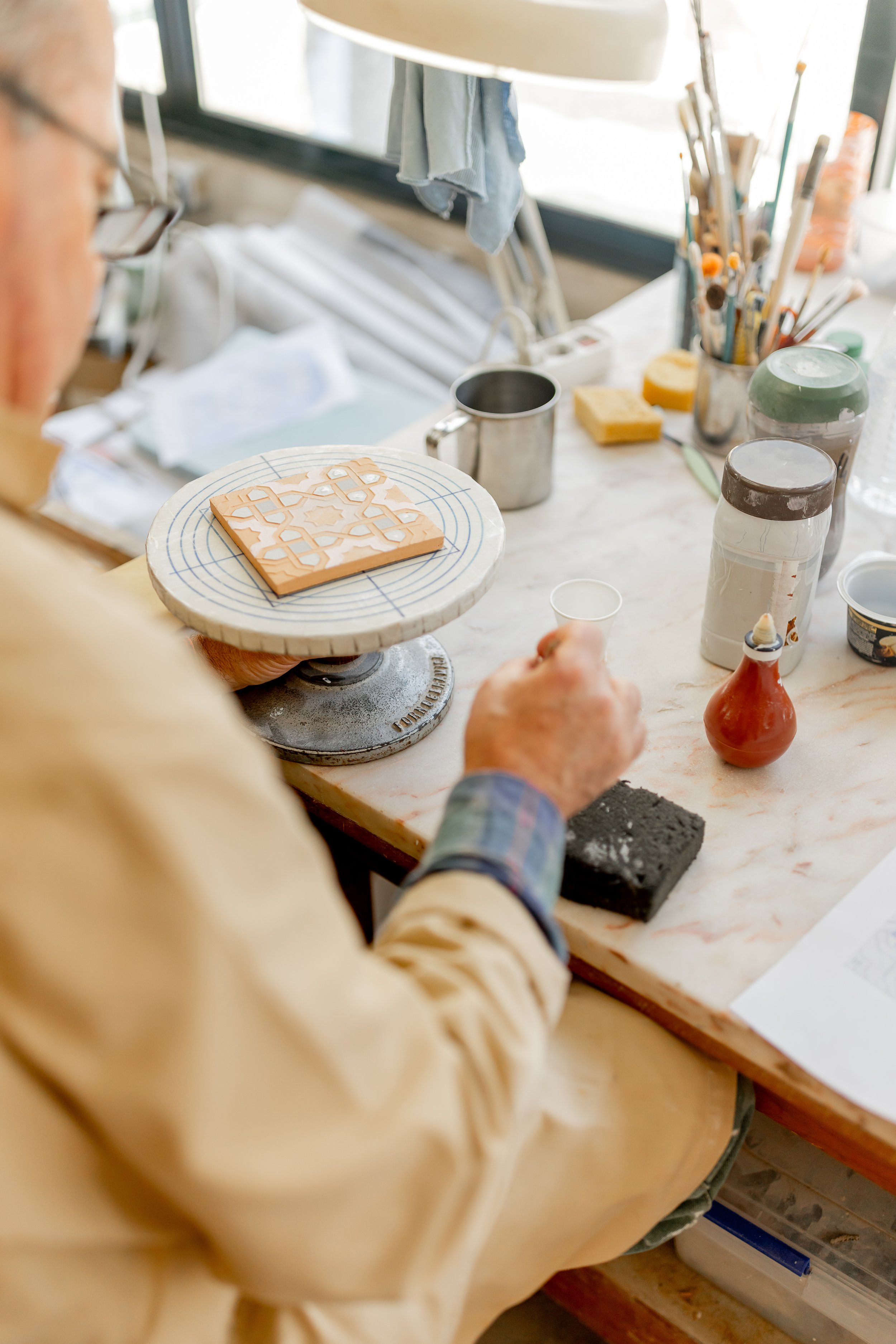
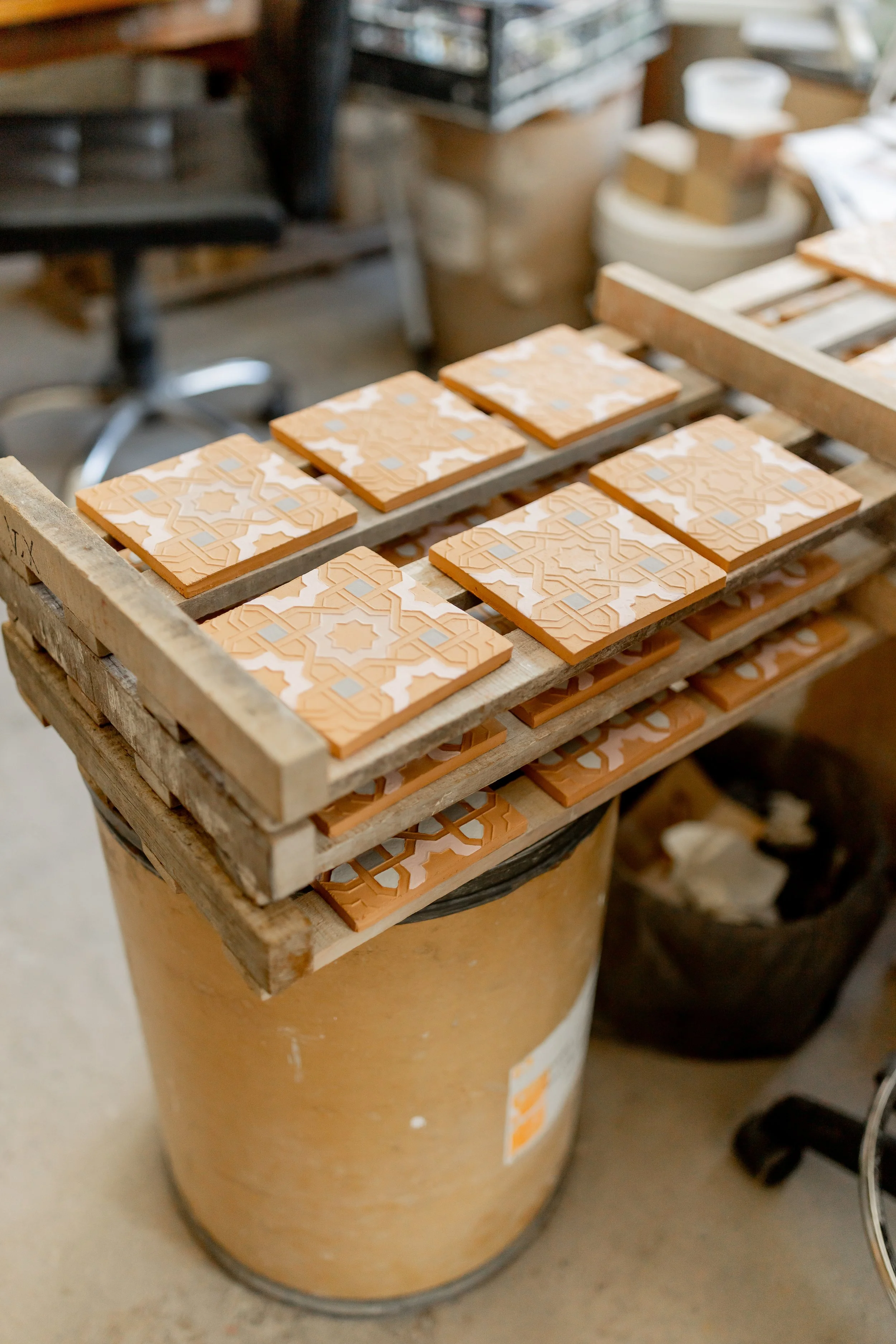
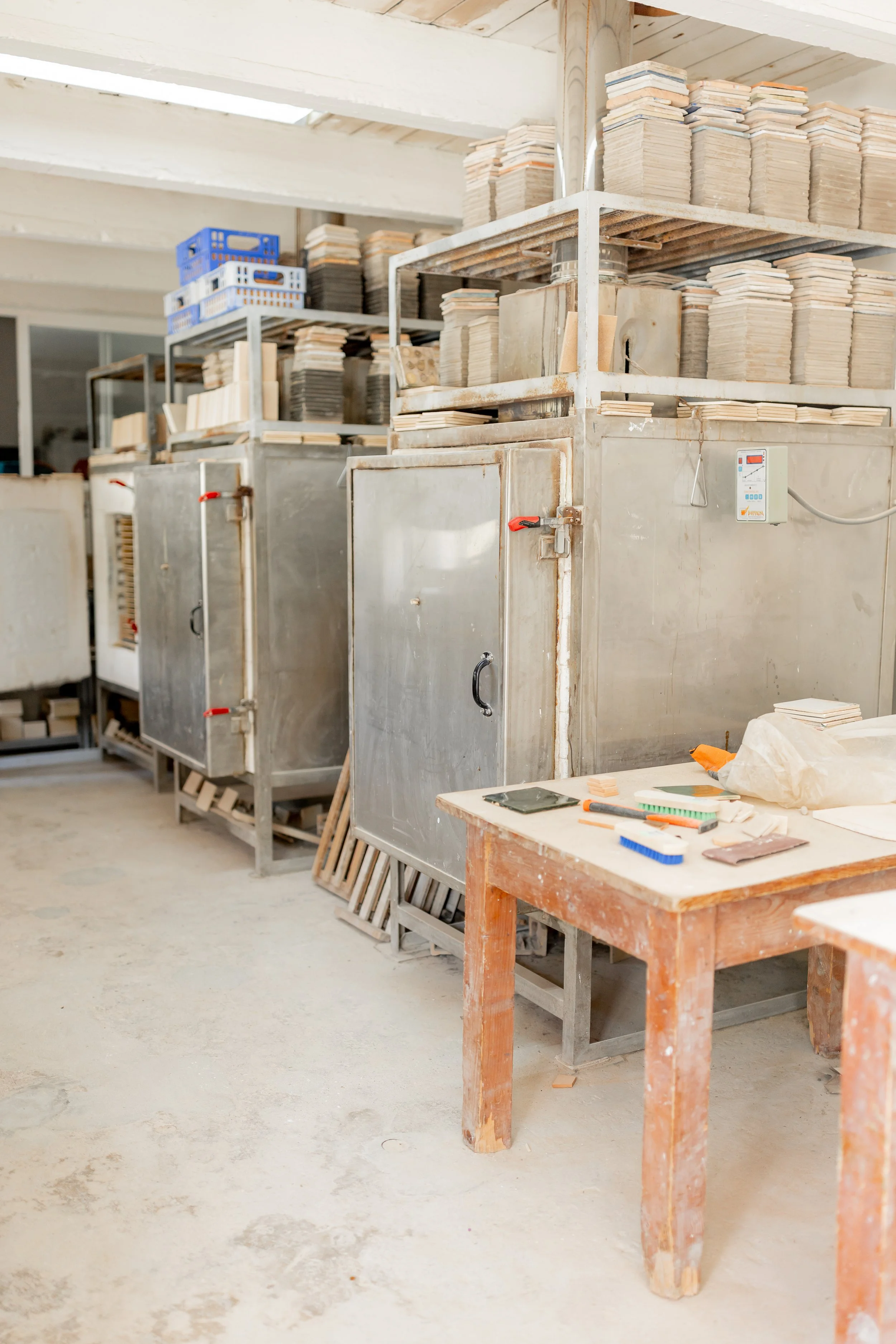
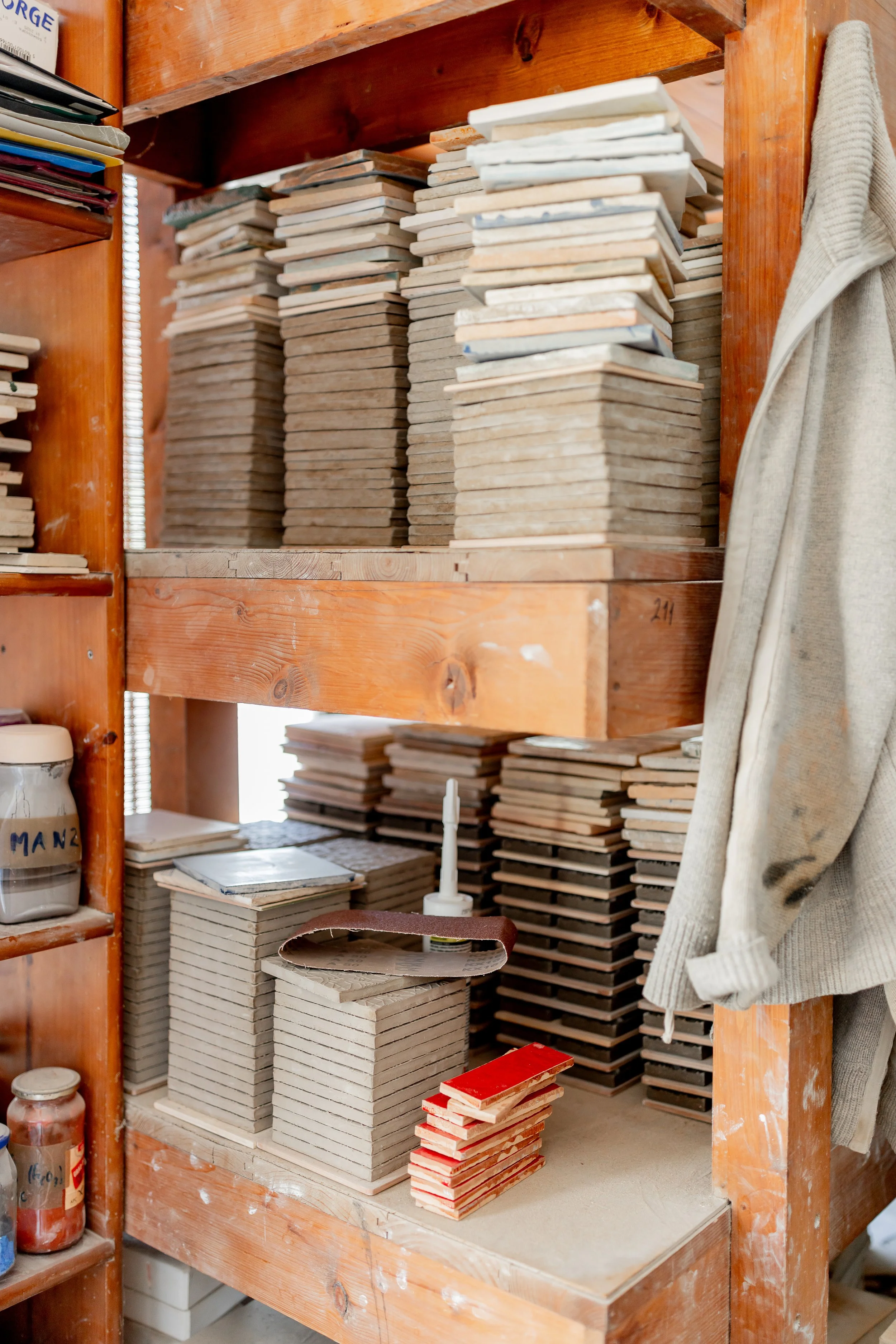
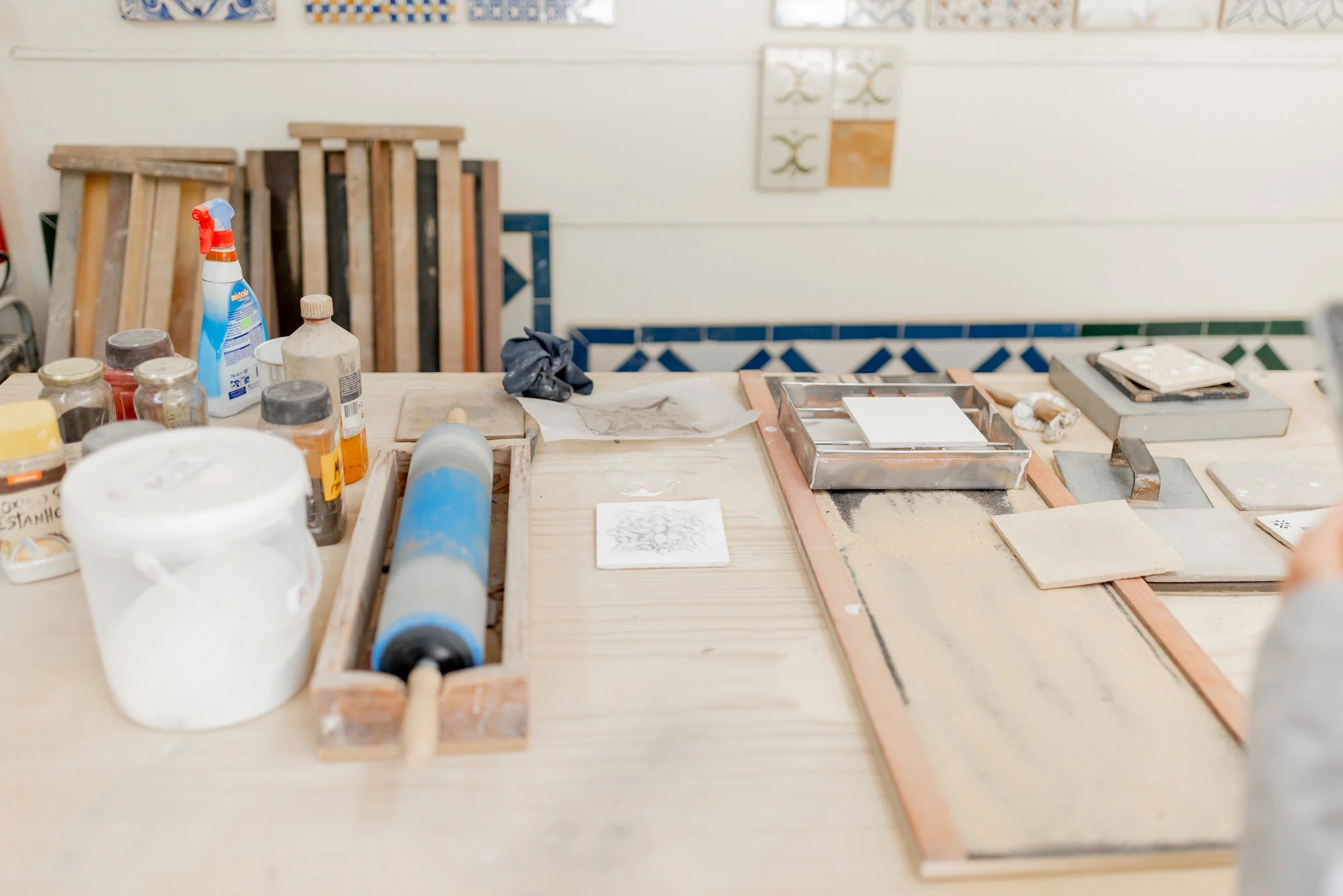
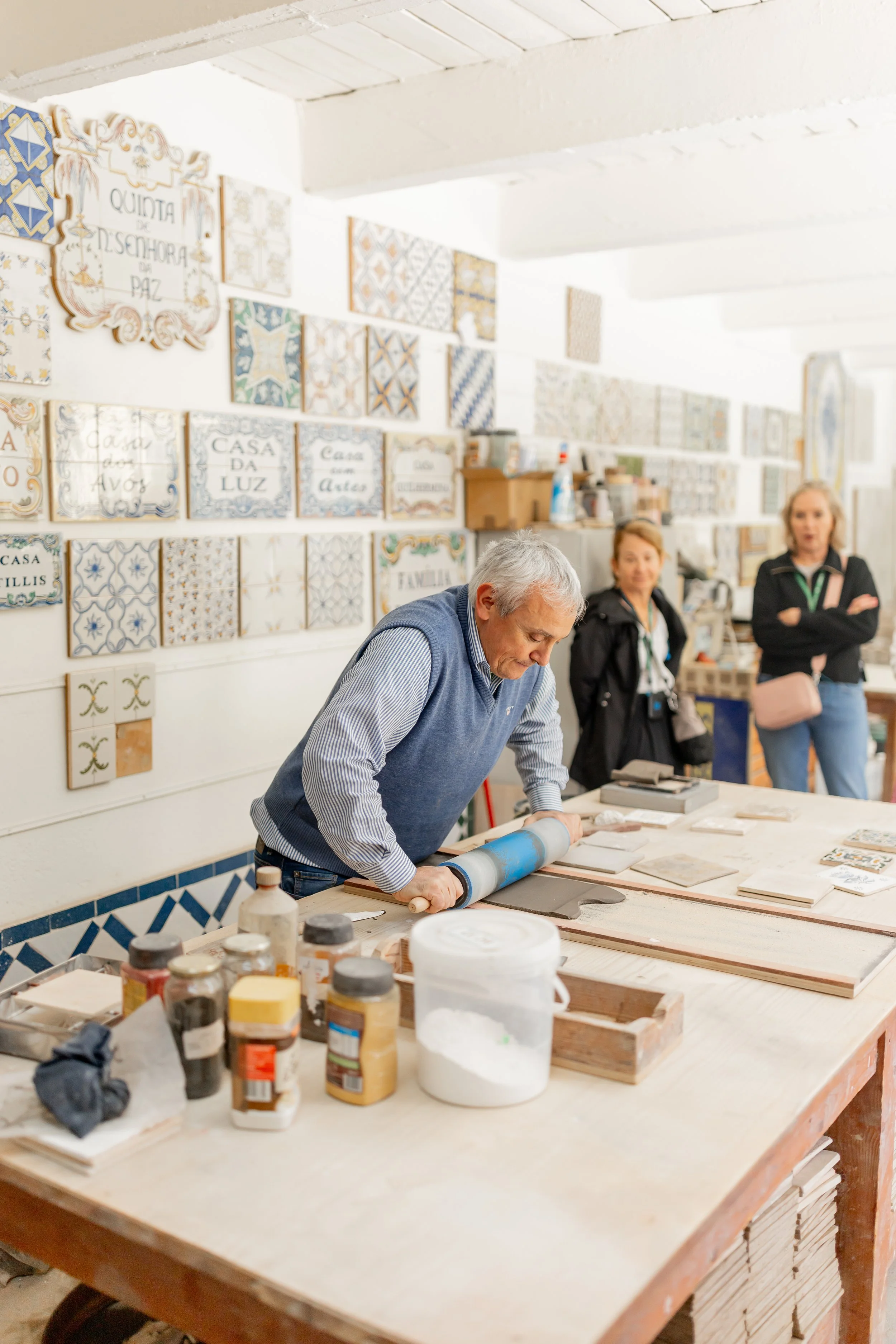
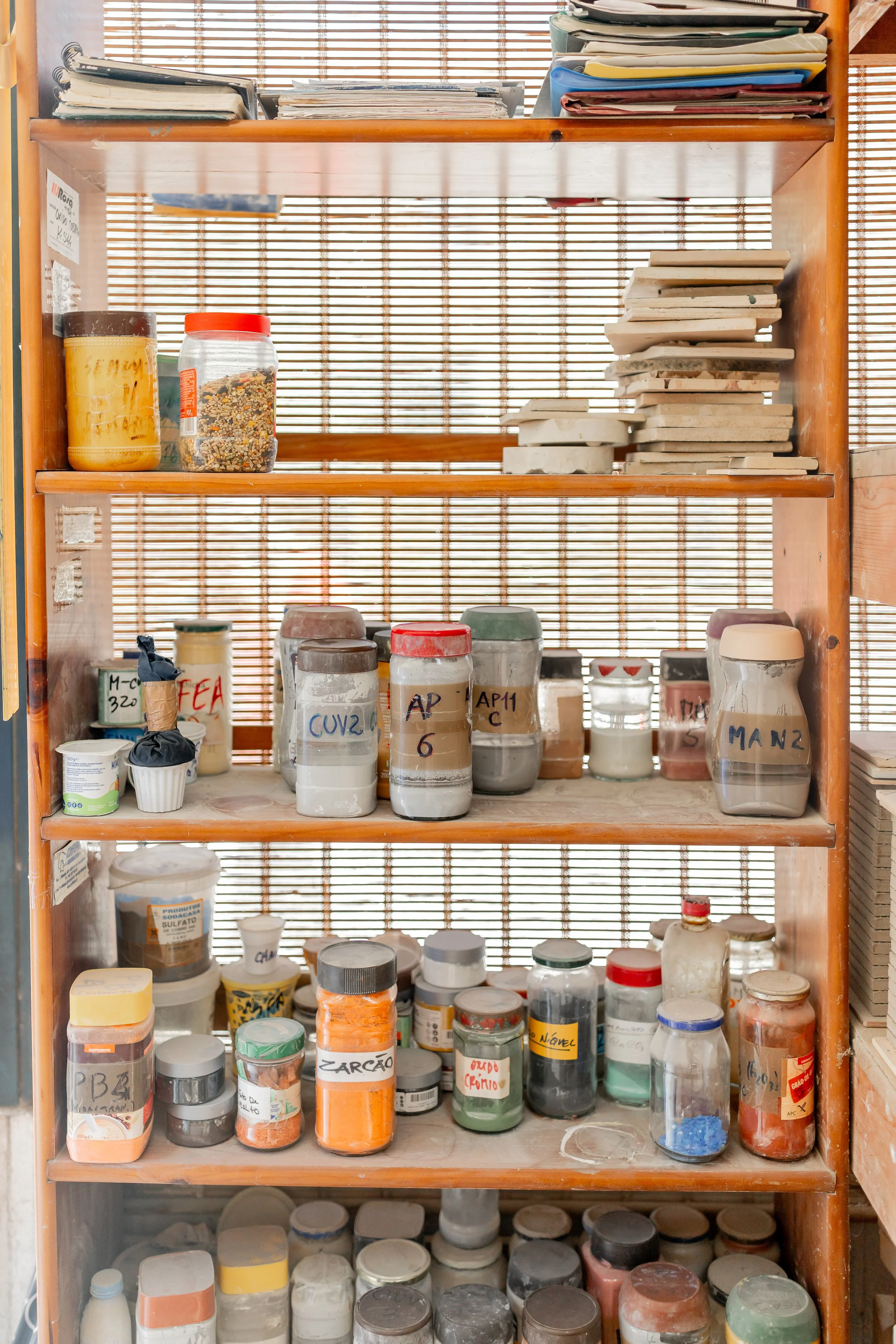
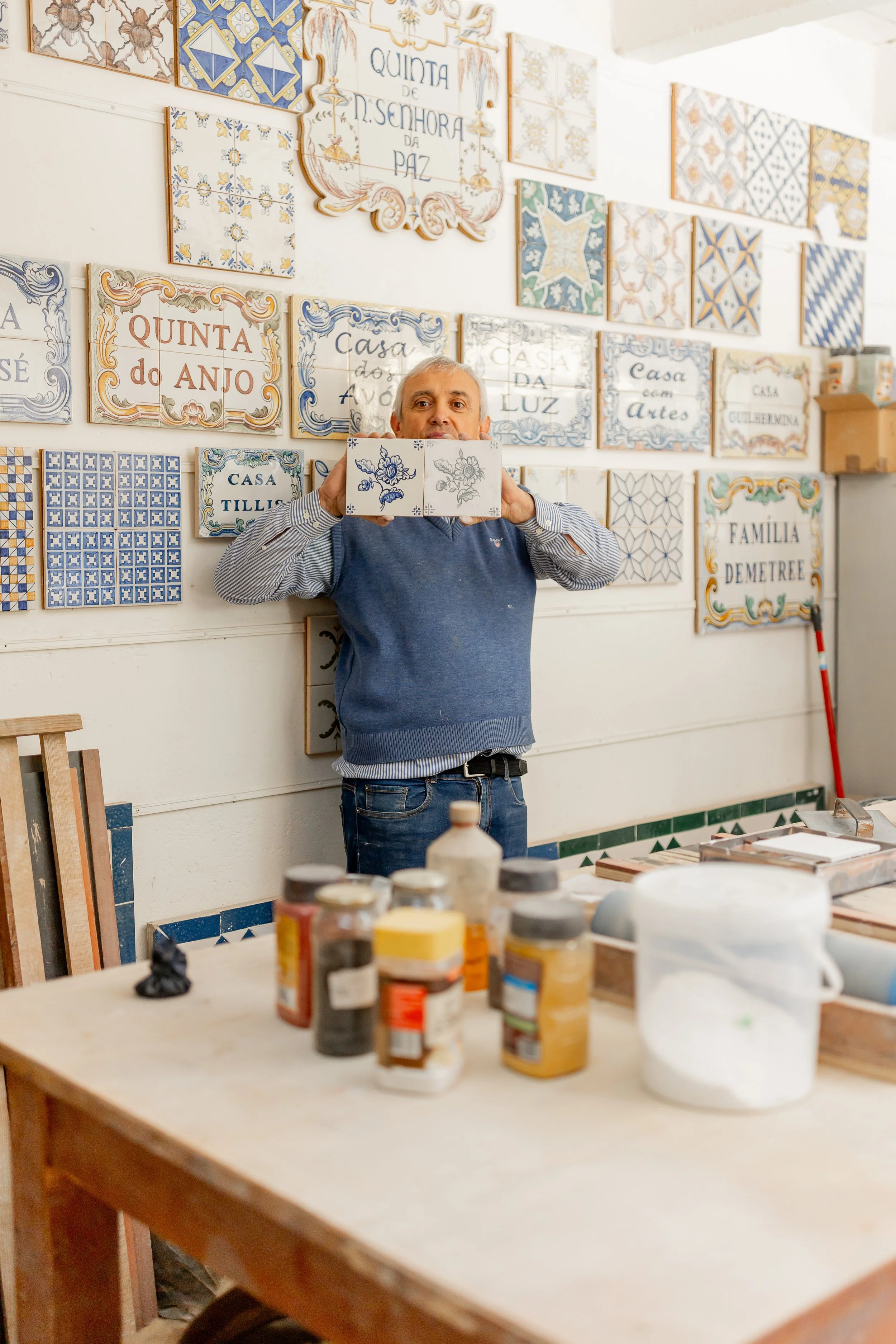
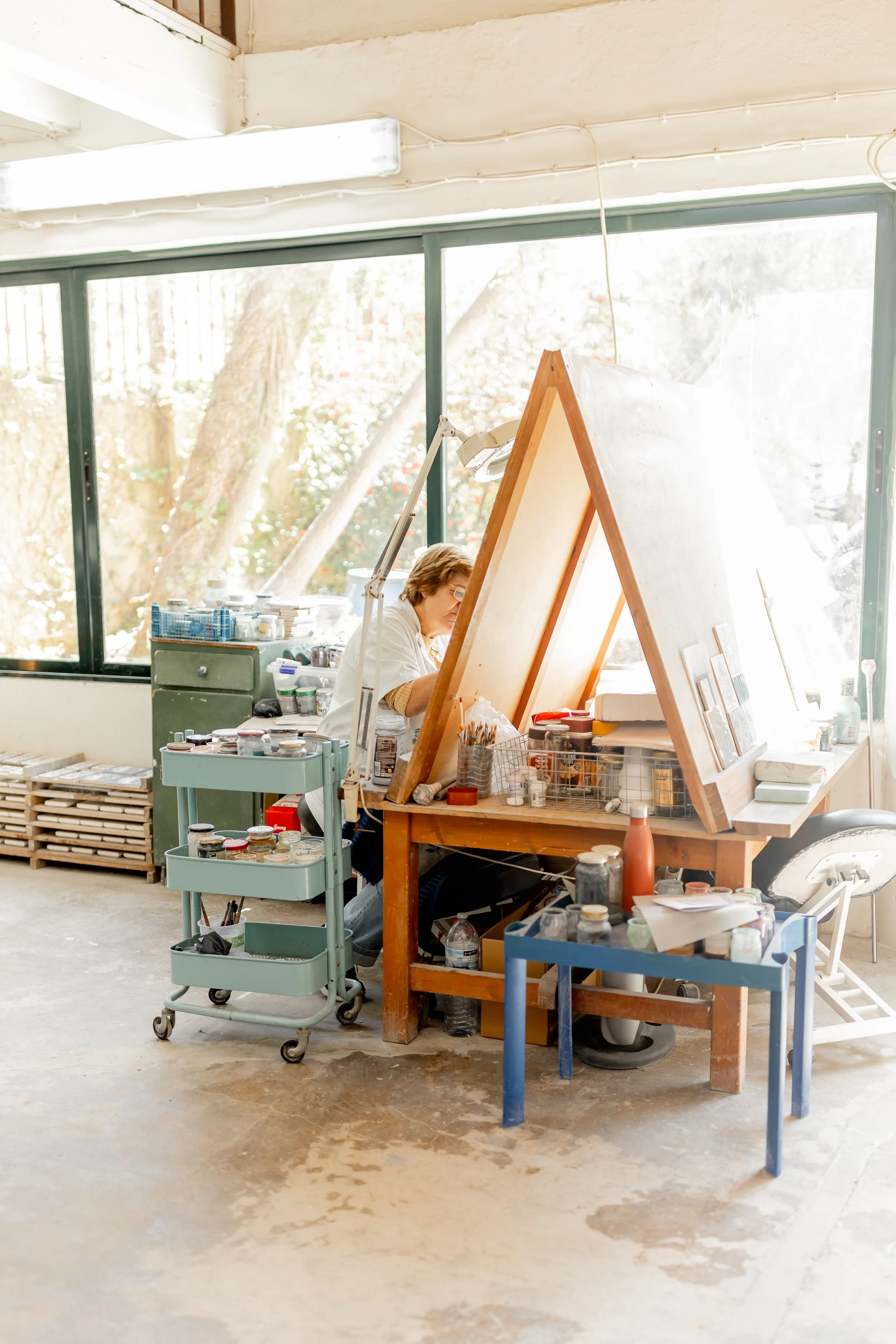
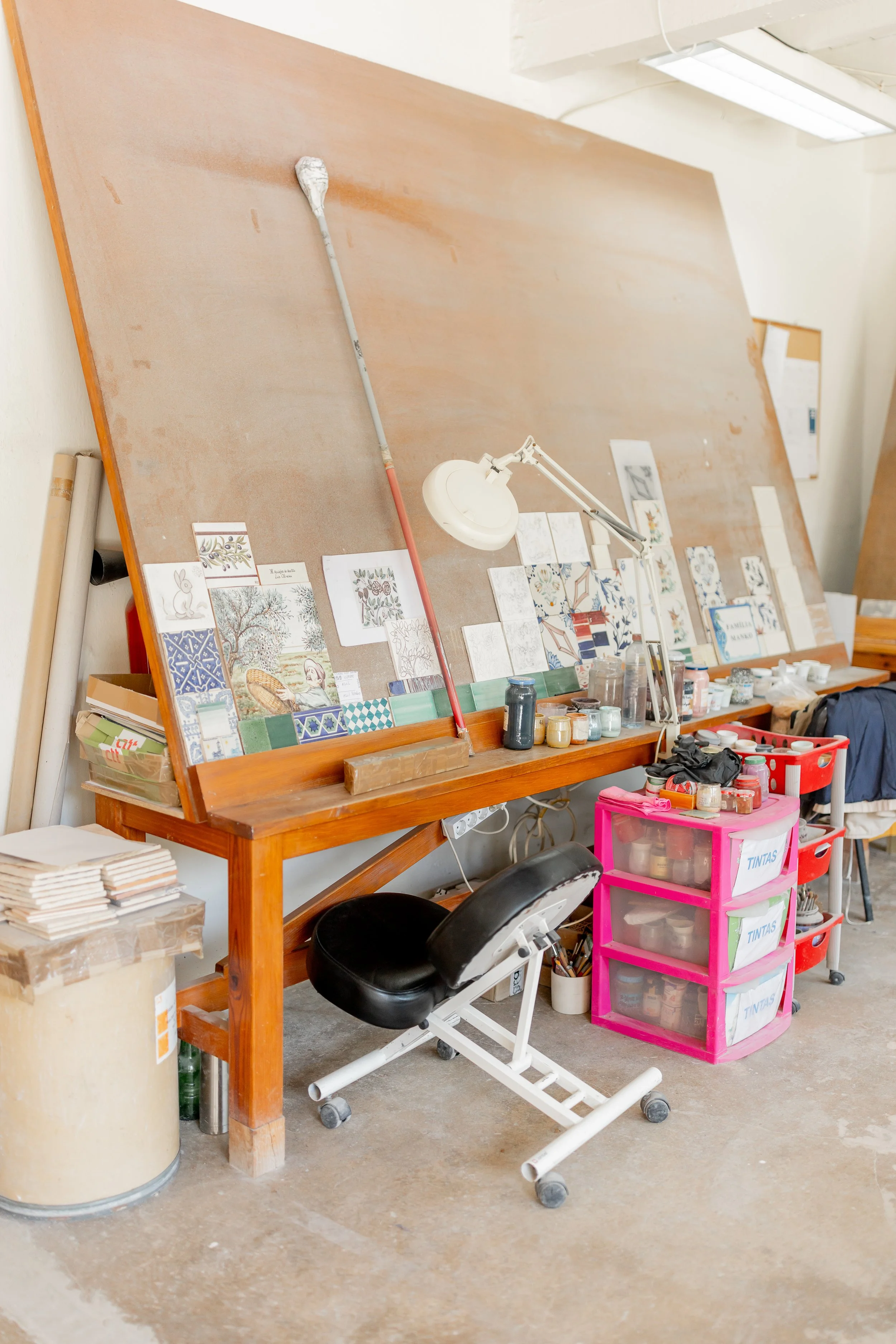
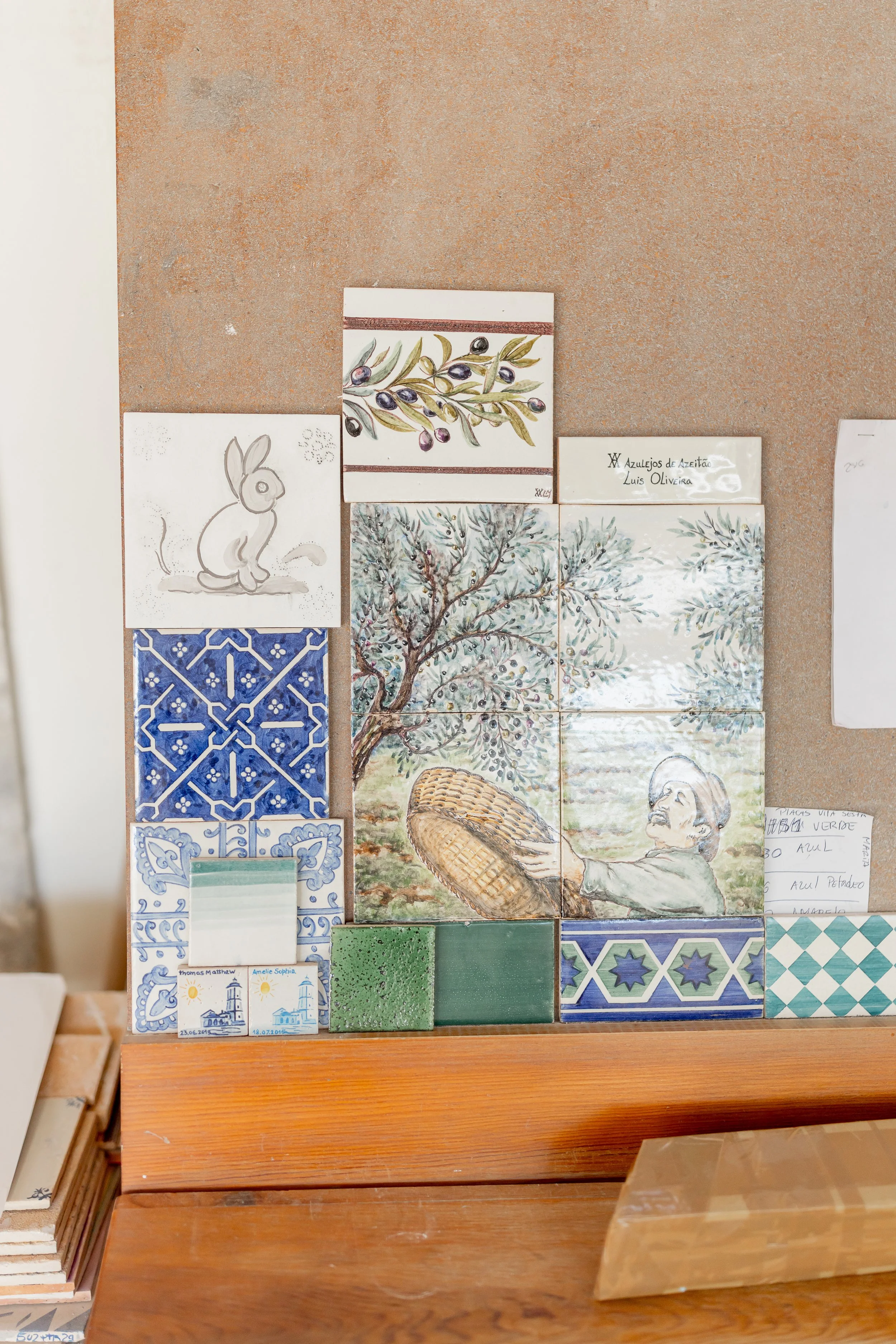
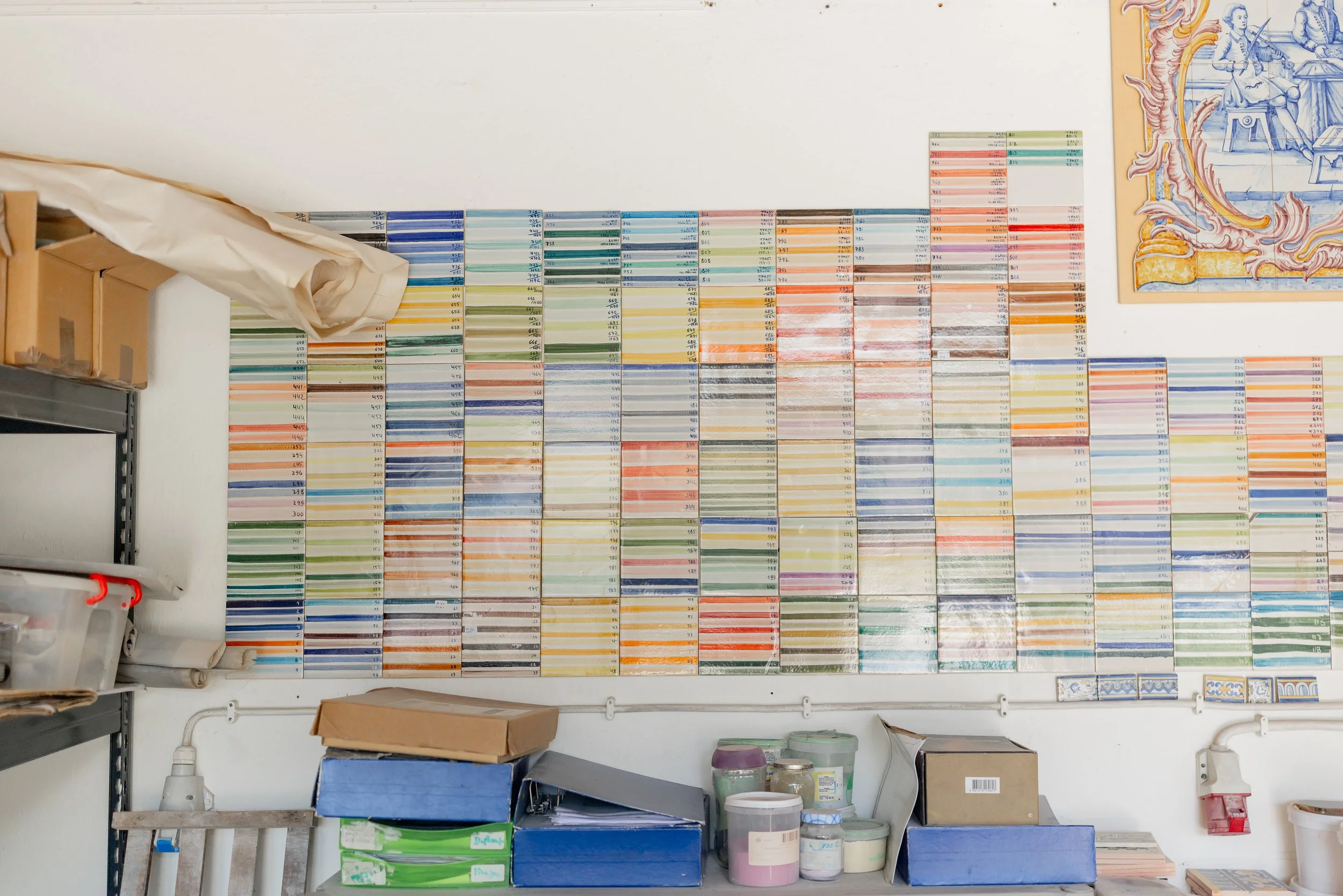
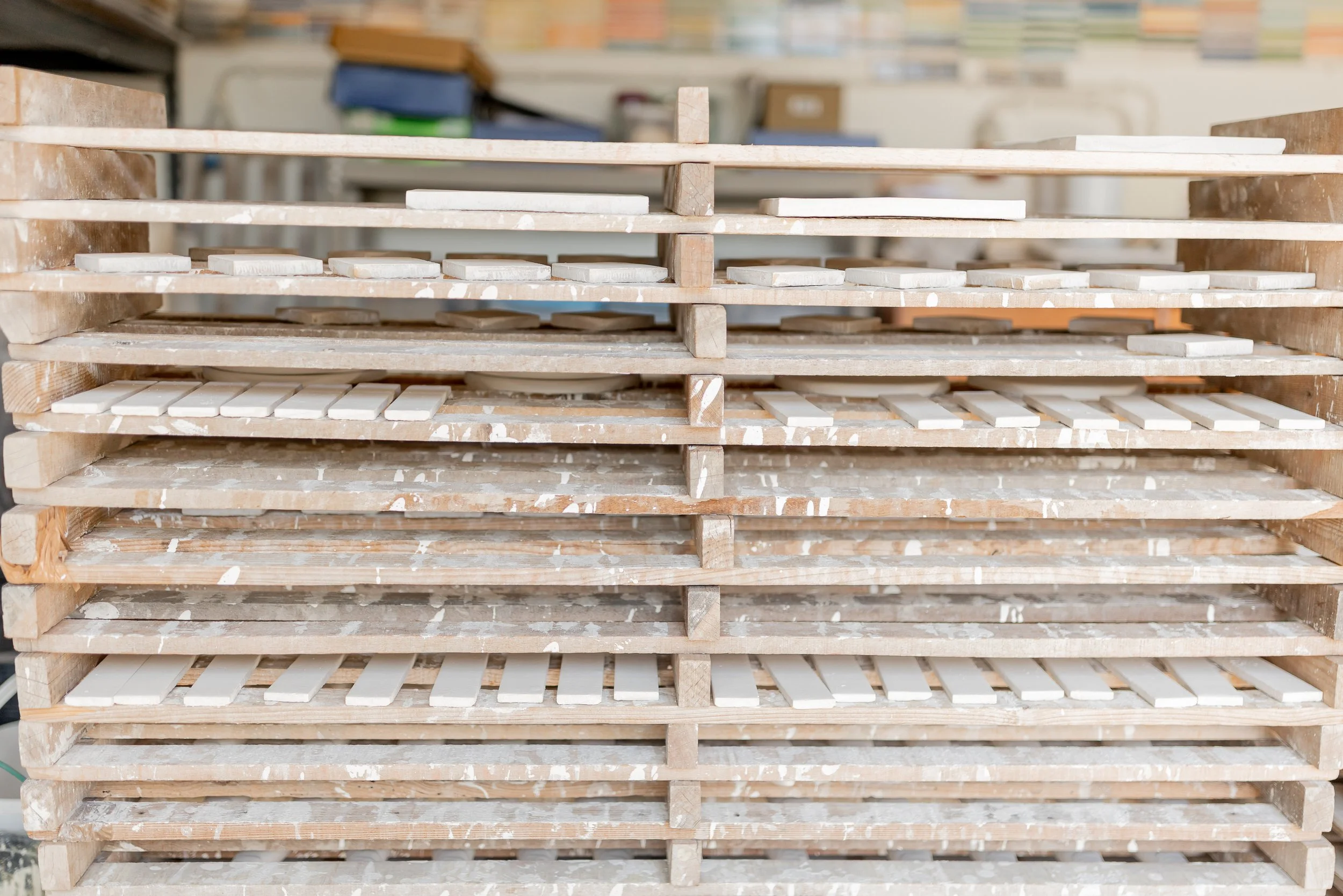
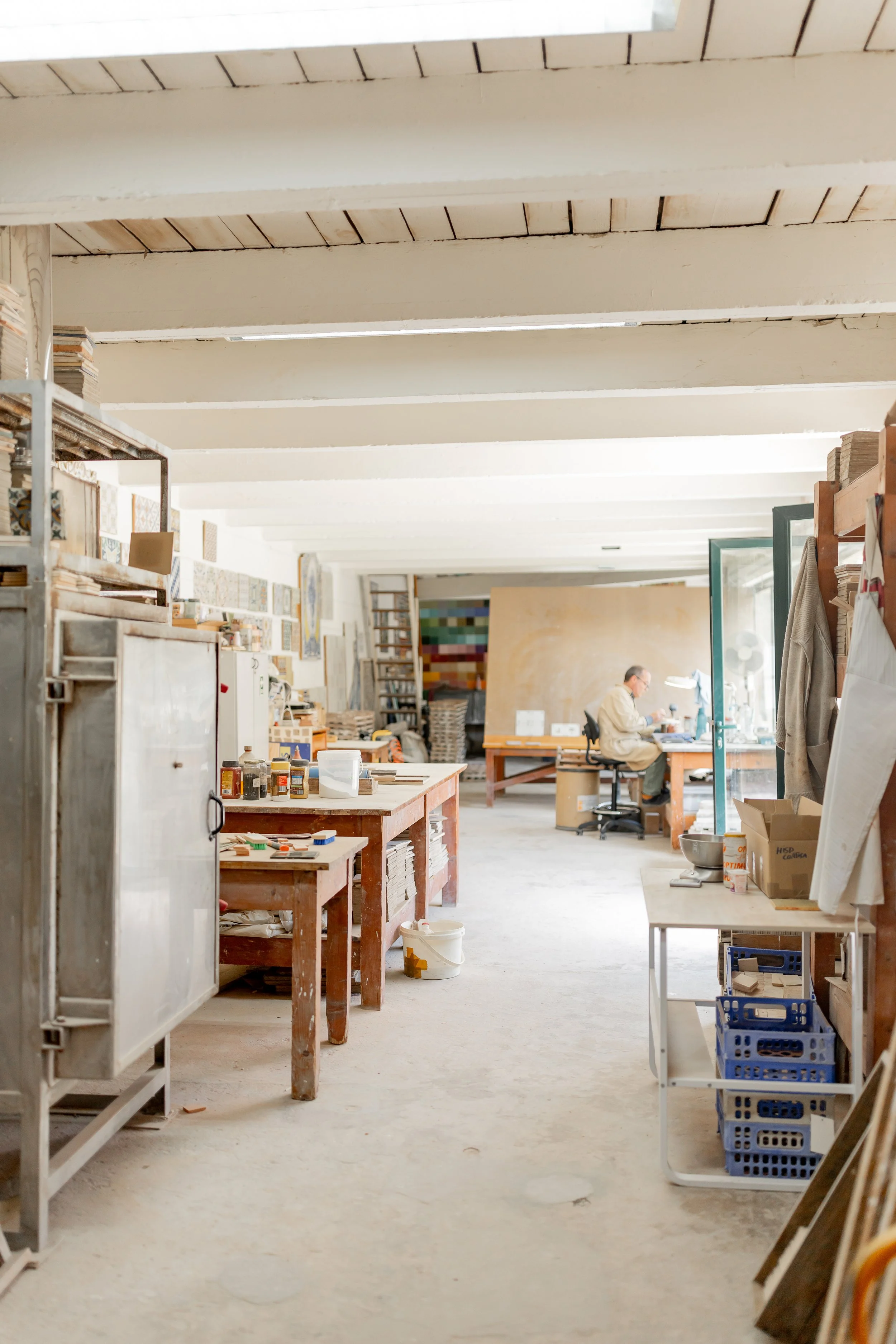
At the factory, we had the opportunity to witness this storytelling process from beginning to end. We watched artisans carefully hand-shape each tile, transforming raw clay into smooth, uniform pieces ready for design. Then came the painting—perhaps the most mesmerizing step. Each tile is painted by hand, often as part of a larger composition, requiring not only artistic skill but also incredible foresight to ensure the pieces align perfectly when assembled.
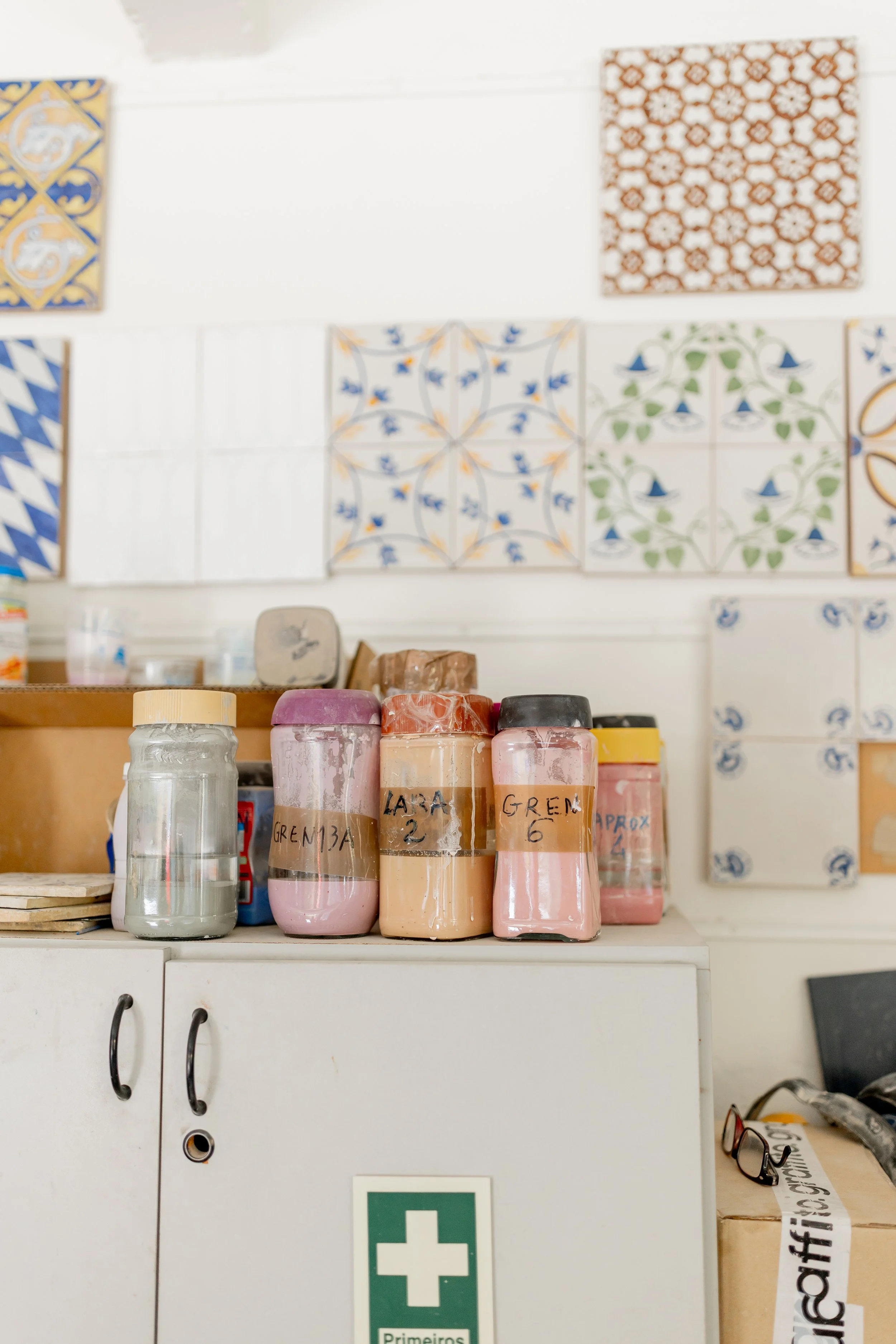
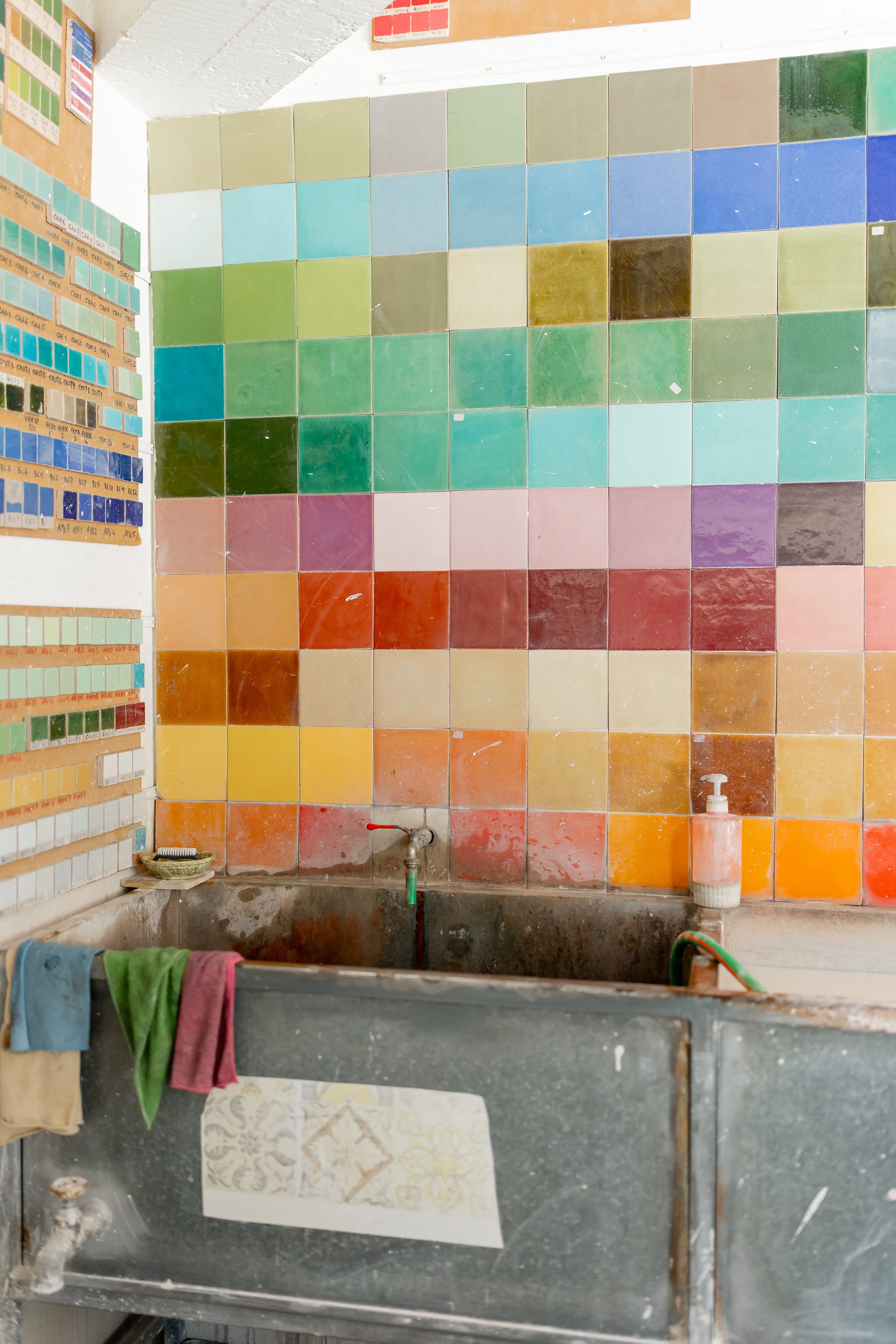
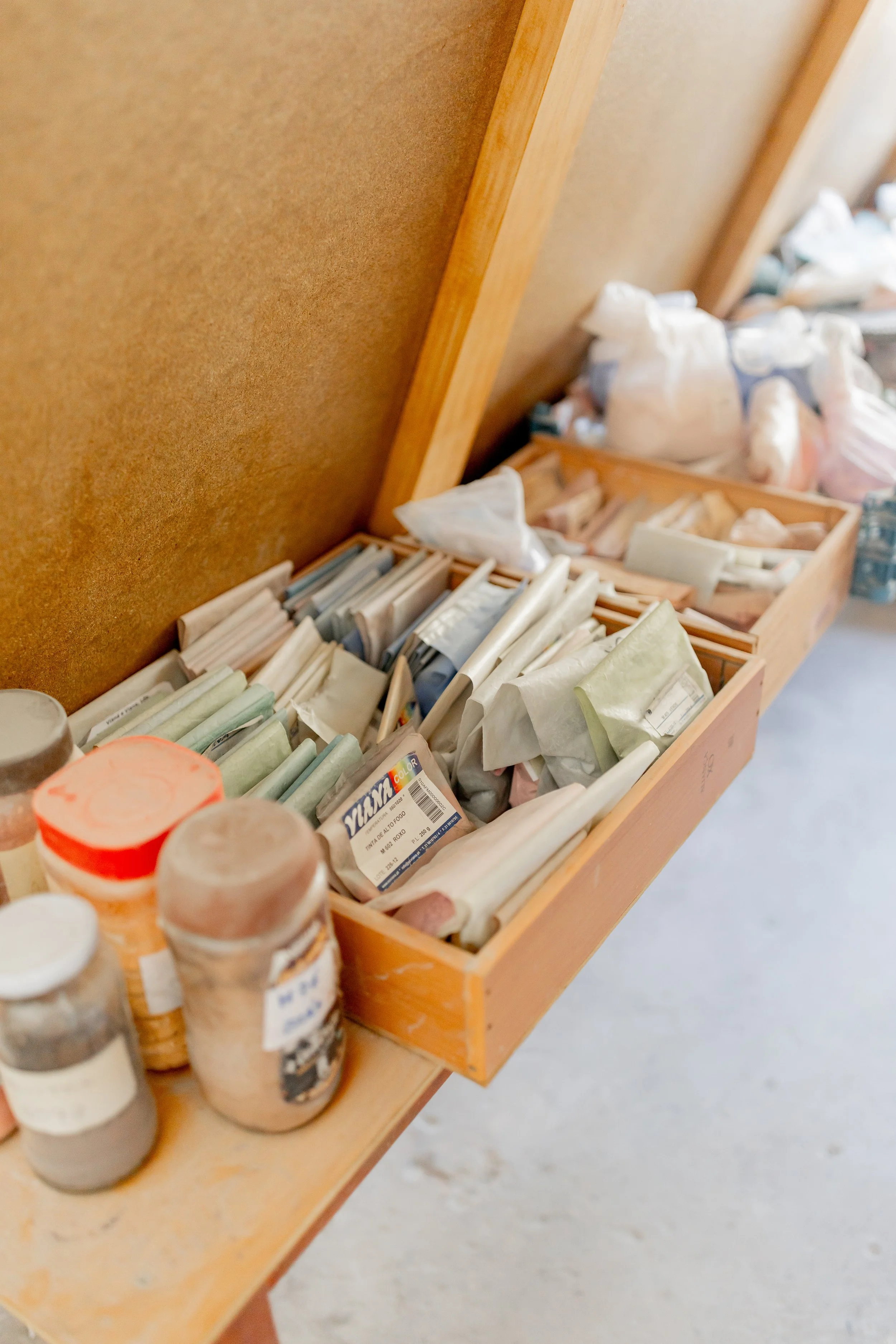
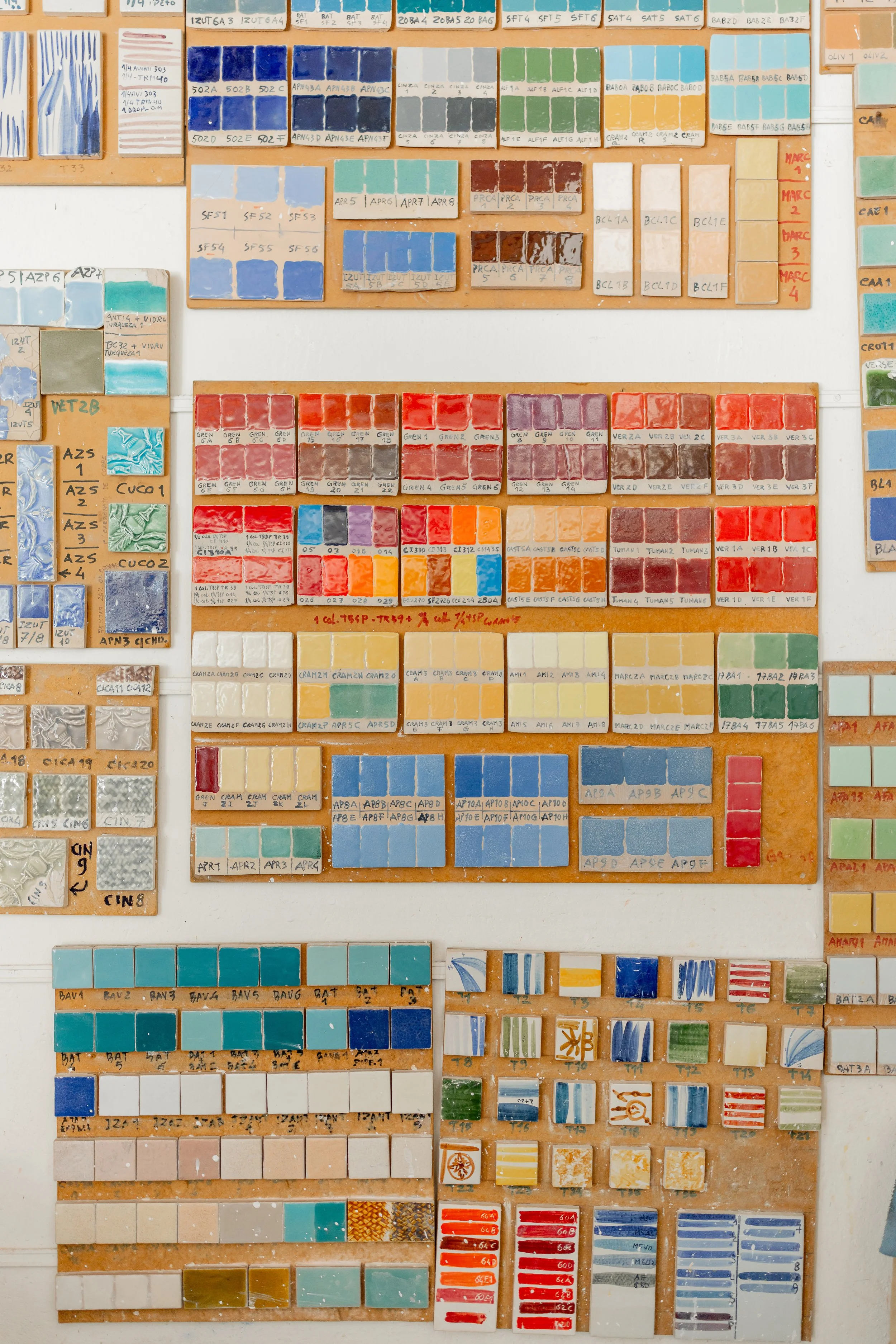
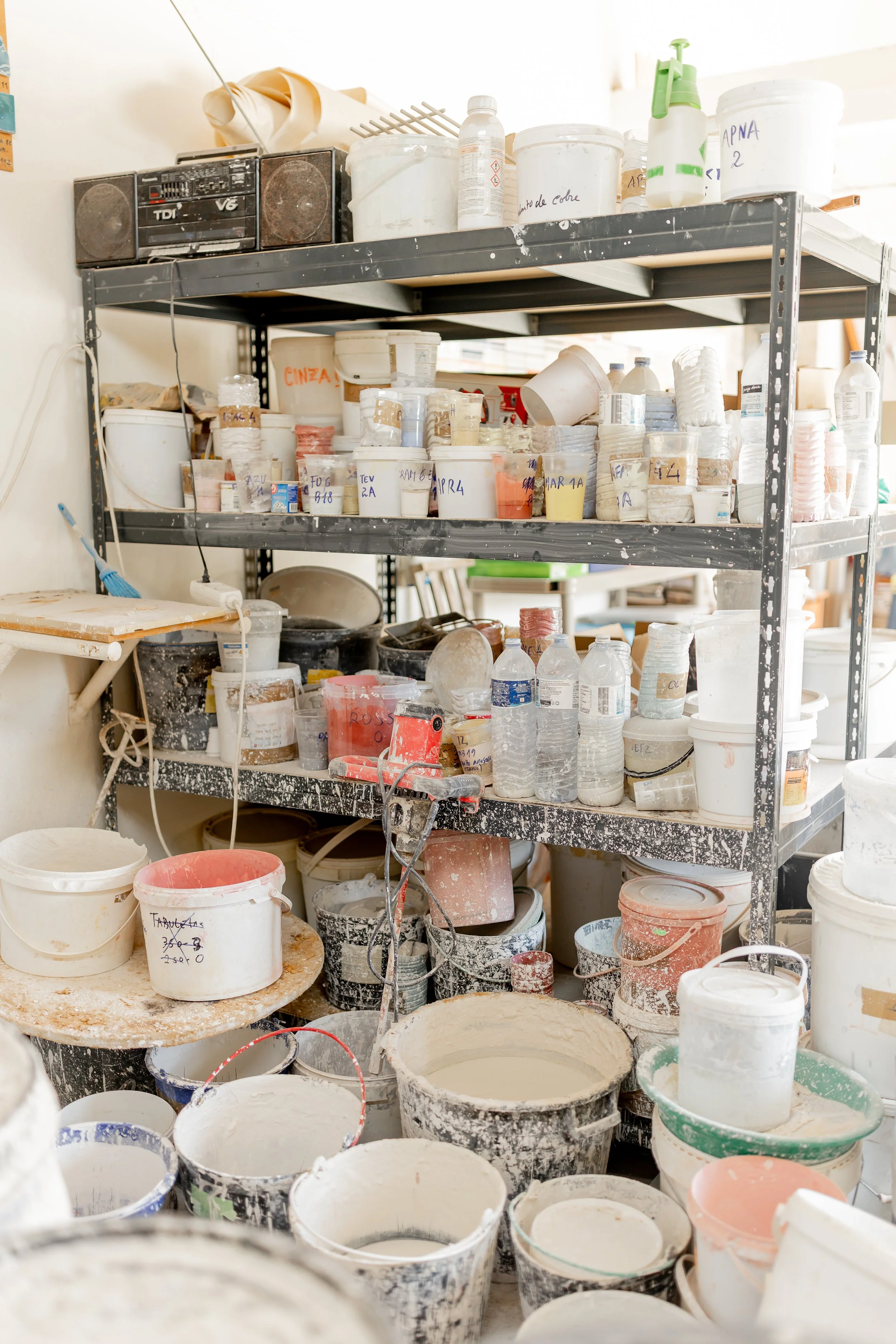
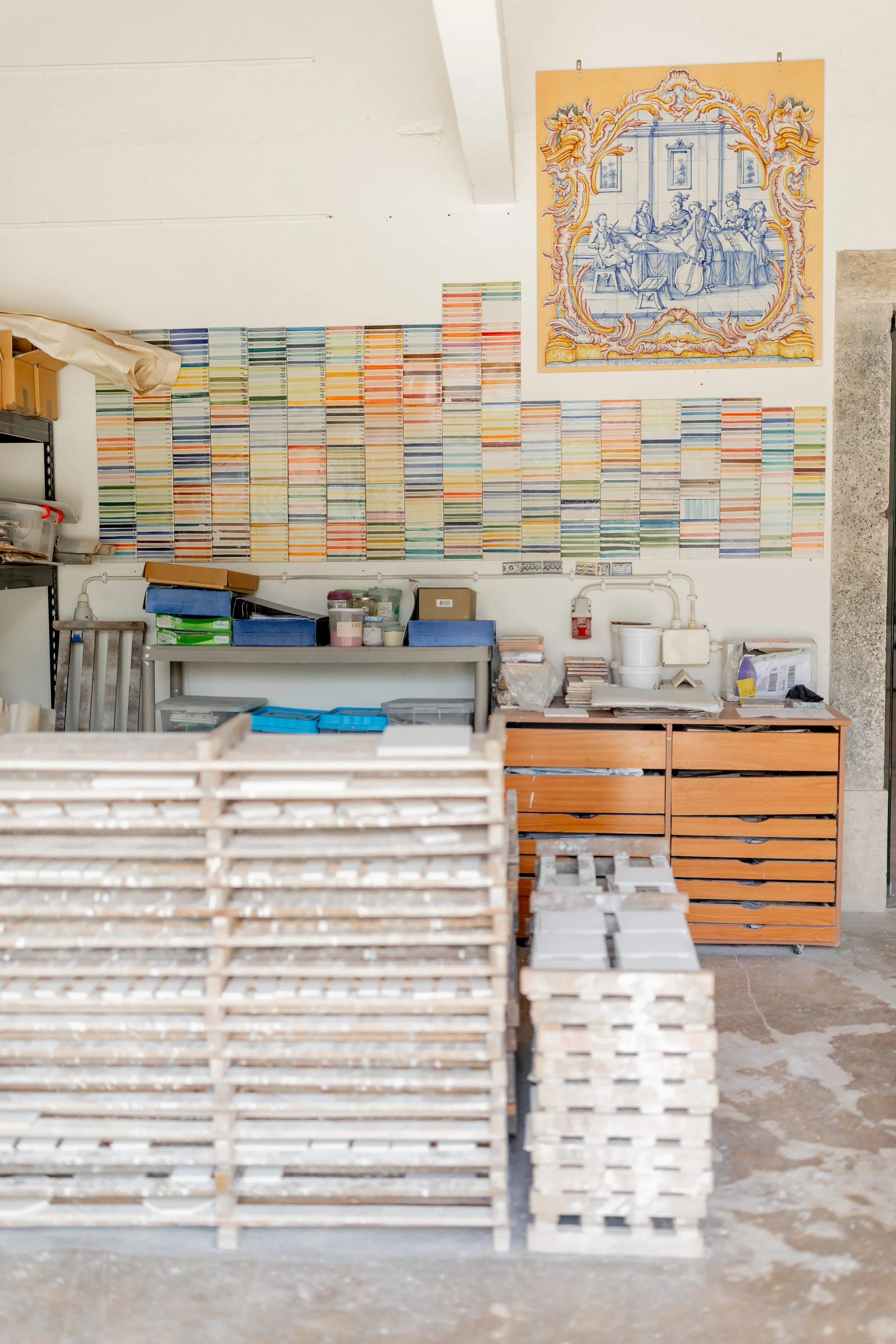
The choice of glaze followed, adding depth, shine, and that signature finish that allows azulejos to withstand time and elements alike. Seeing the transformation from soft clay to vibrant, finished tile gave us a newfound appreciation for the patience and precision behind each piece.
As we left, it was hard not to look at every tiled surface a little differently. What once felt like a beautiful backdrop now carried deeper meaning—layers of history, influence, and human touch.